
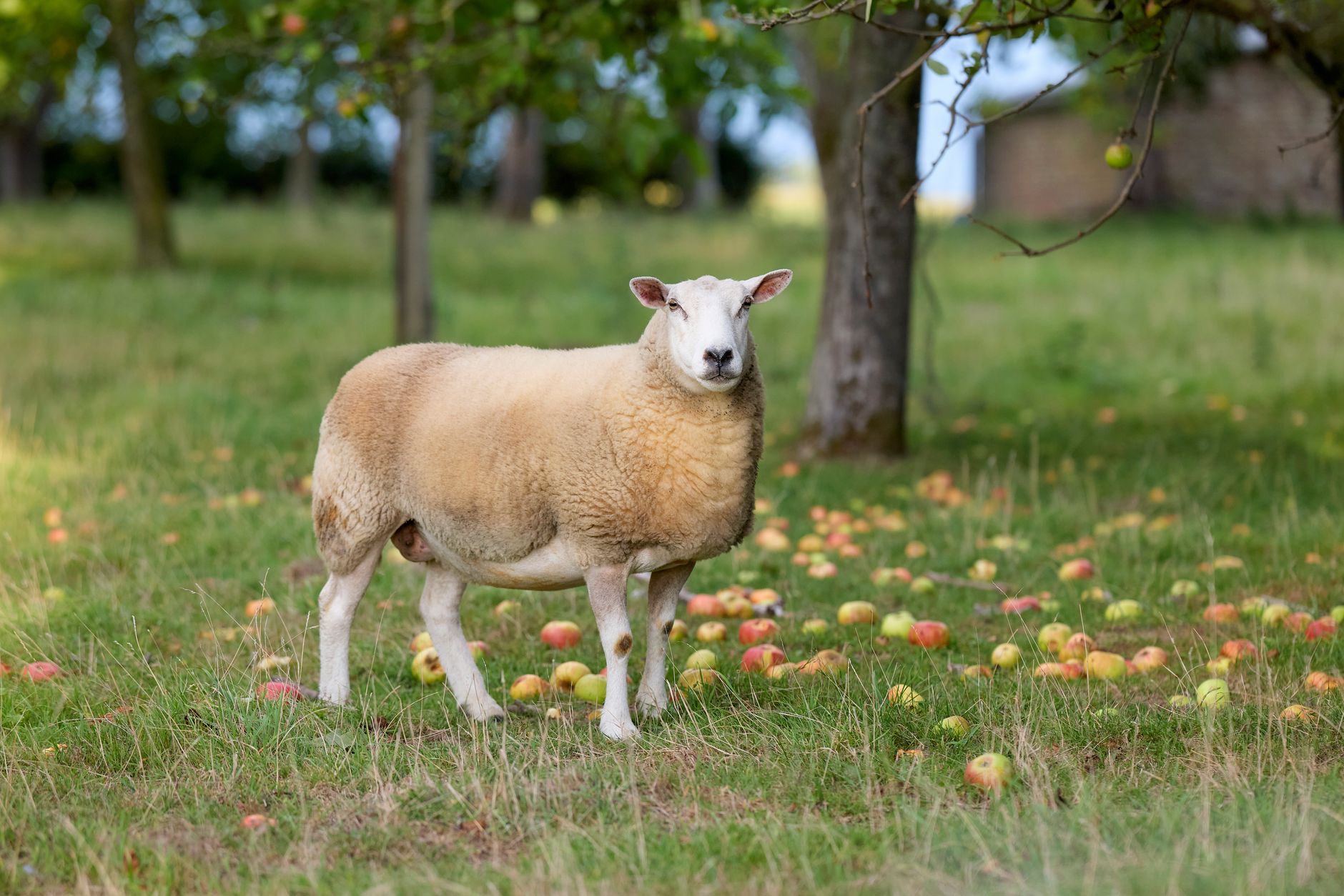
Community Orchard Planting Guide: Site, Trees and First Harvest
A good community orchard planting guide is only useful if it survives contact with a real field, a real committee and a real British winter. This community orchard planting guide is written for that reality: bare-root trees at £18 to £35 each, clay that waterlogs by November, and a volunteer rota that thins out after the second frost. Planting fruit trees on shared land is one of the cheapest permanent improvements a village or estate can make — a dozen apples and pears on semi-vigorous rootstock will still be cropping in sixty years, long after the benches and raised planters have rotted away. What follows covers site selection, rootstock choice, permissions, realistic budgets and the aftercare that decides whether you get fruit or a row of expensive sticks. Get the first winter right and the orchard largely looks after itself.
Why an Orchard Outlasts Most Shared-Space Projects
Compare it with starting a community garden in the UK: vegetable beds need weekly attention from March to October, and interest collapses the moment the two people who set it up move house. An orchard demands roughly six concentrated days a year — winter pruning, a summer check, two mows and harvest — which suits groups that cannot promise weekly labour.
Yield matters too. A mature apple on vigorous rootstock can drop 40 to 80 kilos in a good season, far more than the immediate neighbours will ever eat. Ask any local coordinator to explain how a community fridge works and they will say the September glut is precisely what those fridges exist to absorb, alongside bakery and supermarket surplus.
Fresh fruit travels well into welfare networks too. The UK food bank referral process runs on vouchers issued by health visitors, schools and support workers, and the parcels lean heavily on tinned and dried goods, so crates of apples land well. Anyone asking how to volunteer at a food bank will find harvest days an easy first step.
Choosing the Site, the Rootstock and the Varieties
Fruit needs light. Aim for six hours of direct summer sun, avoid the bottom of a slope where cold air pools on April nights, and keep clear of the north side of tall buildings. Frost pockets destroy blossom in a single hour, and a site that loses blossom two years in three will never win volunteers.
Test the soil before ordering anything. Apples and pears tolerate pH 6.0 to 7.0 and hate standing water; dig a 60cm pit, fill it, and if it holds water for more than four hours you need mounds or a different field. Check mower access, gate widths and whether a water bowser can reach the rows.
Layout should follow the machinery, not the sketch. Straight rows aligned with the prevailing wind, a five-metre headland for turning, and a hawthorn or hazel shelter belt on the exposed side will save hours every summer. Leave one open corner for picnic tables — an orchard people sit in is an orchard people defend.
Matching Rootstock to the Space You Have
Rootstock, not variety, decides final size. Any community orchard planting guide that skips this step produces either a thicket of unmanageable standards or dwarf trees swamped by grass. On public land with volunteer mowing, MM106 and MM111 are the safe middle ground; M9 needs permanent staking and irrigation that no rota will sustain.
| Rootstock | Mature height | Spacing | First real crop |
|---|---|---|---|
| M27 (apple, very dwarf) | 1.5–1.8m | 1.5m | Year 2–3 |
| M9 (apple, dwarf) | 2–2.5m | 2.5m | Year 3 |
| M26 (apple, semi-dwarf) | 2.5–3m | 3.5m | Year 3–4 |
| MM106 (apple, semi-vigorous) | 3.5–4.5m | 5m | Year 4–5 |
| MM111 / M25 (apple, vigorous) | 5–7m | 8m | Year 6–8 |
| Quince A (pear) | 3–4m | 4.5m | Year 4–6 |
Choosing Varieties That Actually Crop
Buy for pollination groups first and romance second. Three or four varieties flowering in overlapping groups will set fruit reliably; a single triploid such as Bramley needs two other partners to pollinate it. Local heritage varieties from a county collection carry a story that helps fundraising, but only if they crop in your soil.
- Early eater: Discovery or Beauty of Bath — picks in August, no storage needed
- Mid-season cooker: Bramley’s Seedling (triploid, needs two partners)
- Late keeper: Ashmead’s Kernel or a regional russet, stores to February
- Pear: Concorde or Beth on Quince A, both compact and forgiving
- Plum: Victoria on St Julien A, self-fertile and quick to fruit
- Two crab apples spaced through the rows as universal pollinators
What a Community Orchard Really Costs
Budget per tree, not per project. A bare-root maiden on MM106 costs £18 to £30, a two-year half-standard £30 to £45, and the protection frequently costs more than the tree itself. For a twelve-tree orchard on rough grass with deer pressure, expect £900 to £1,600 before anyone buys a kettle or a sign.
- Bare-root fruit tree, two-year: £22–£45
- Chestnut stake 1.8m, rubber tie and buckle: £6–£10
- Spiral guard, or 1.2m mesh guard against deer: £4–£25
- Mulch mat or barrowed woodchip, one square metre per tree: £3–£8
- Interpretation board and engraved variety labels: £120–£350
- Public liability insurance for the group, per year: £120–£250
Fundraising is unglamorous and effective. Working out how to run a village fete — pitch fees at £15 a stall, a tombola, a cake table clearing £200 — can fund a dozen trees in one afternoon. Village hall hire costs in the UK typically run £8 to £25 an hour, so keep planning meetings to ninety minutes and book the small room.
Equipment can be scavenged rather than bought. Volunteers who regularly trawl the best charity shops in London for bargains report picking up loppers, watering cans and barrows for a few pounds, and the same holds in county market towns. Households donating clothes to charity in the UK will often hand over spare waterproofs, boots and gloves if asked directly.
Permissions, Governance and the Paperwork
Most workable sites belong to a parish or town council, a housing association, a school or a diocese. Parish council meeting rules in the UK require agendas to be published three clear days ahead, and the public session is usually capped at fifteen minutes, so submit a one-page proposal with a site plan in advance rather than arguing from the floor.
Ask for a lease or licence of at least twenty-five years. Trees planted on a rolling annual permission are hostages to the next change of tenant or officer. Groups that will hold grant funds, sign a lease or employ a contractor should look at how to set up a charity: a Charitable Incorporated Organisation keeps personal liability off individual trustees.
Recruitment follows a familiar civic rhythm. Anyone who has researched how to start a Neighbourhood Watch scheme knows the pattern — one street coordinator, a messaging group, a named officer at the council, and a leaflet drop. People who have found out how to become a school governor often make superb treasurers, since both roles reward patience with minutes and budgets.
Planting Day, Aftercare and the Long Game
Plant bare-root stock between November and March, never into frozen or sodden ground. Dig a square pit slightly wider than the roots but no deeper, keep the graft union 10cm clear of soil level, drive the stake in before the tree goes in, and firm with your heel rather than treading the soil to concrete.
The first three summers decide everything. Each tree needs 20 to 30 litres a fortnight during dry spells, and a one-metre circle kept bare of grass — grass competition stunts young trees far more than drought does. Strimmer damage to the bark kills more community trees than disease, so guard every trunk properly.
Formative pruning starts in the first winter for apples and pears, and in June or July for plums and cherries to avoid silver leaf. Three or four well-spaced scaffold branches at 75cm to 1m is the target. The last page of any community orchard planting guide should really be a calendar, not a plant list.
Then build the rituals. A January wassail with mulled juice, an apple day in October with a borrowed press, and a fixed harvest route delivering surplus to the food bank and the fridge. Train two people in pruning every year, keep a shared map of varieties, and the orchard survives every change of committee.
How Do You Start a Community Orchard From Scratch?
Begin with three things in this order: land, people, money. Identify a sunny, well-drained site of at least 400 square metres and find out who owns it through the Land Registry, which charges a few pounds for a title summary. Recruit six to ten committed people and give three of them named roles — chair, treasurer, tree warden. Only then approach the landowner with a written proposal, a sketch plan, an insurance quote and a maintenance commitment. Order bare-root trees in late summer for winter delivery, because good nurseries sell out of popular varieties by October. Plant in your first winter rather than spending a year in meetings; momentum matters more than a perfect plan.
Is Planning Permission Needed to Plant a Community Orchard?
Planting trees rarely requires planning permission in itself, but several other consents can apply. Works on registered common land or a village green usually need Secretary of State consent under the Commons Act. Tree Preservation Orders and conservation area rules govern any existing trees you intend to remove, with six weeks’ notice required in a conservation area. Restrictive covenants on the title deeds may forbid changes of use, and agricultural tenancies give the tenant rights you cannot override. Fixed structures — a shed, a compost loo, hard paths or a large sign — often do need permission. Always run a utilities search before digging, since planting over a gas main or fibre duct is expensive to undo.
What Tools and Skills Does an Orchard Group Need?
The core kit is modest: two spades, a fork, a rubber mallet for stakes, bypass secateurs, loppers, a pruning saw, a folding ladder, watering cans and a barrow. Budget £250 to £400 for decent tools that survive a decade, and store them in a lockable box on site rather than in someone’s garage. Skills matter more than gear. You need one person confident with formative and renewal pruning, one who can identify canker, scab and woolly aphid early, a treasurer comfortable with grant reporting, and someone who writes clear notices. Local orchard networks and county wildlife trusts run one-day pruning courses for £30 to £60, and sending two volunteers each winter builds real resilience.