
Community Gardens UK: How to Find, Join and Grow on a Shared Plot
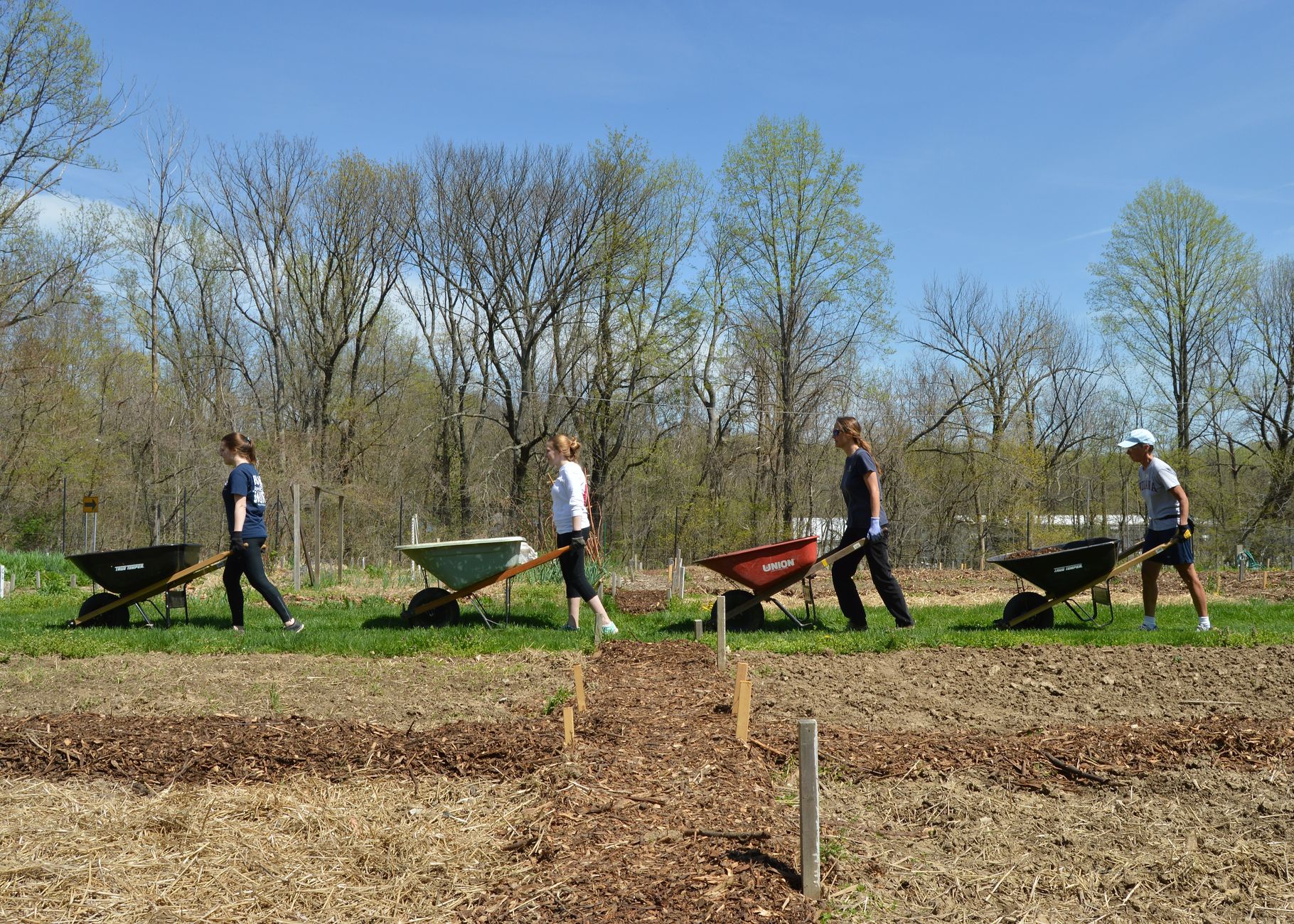
Across Britain, community gardens UK groups turn neglected verges, church grounds and disused car parks into productive growing space, and demand for a shared bed has rarely been steadier. More than a thousand community gardens UK projects sit on formal registers held by bodies such as Social Farms & Gardens, while hundreds more run quietly through parish councils, housing associations and tenant committees. A typical scheme charges £15 to £40 a year for a raised bed or a share of a communal plot, against £60 to £120 for a ten-rod council allotment. That gap explains why shared-plot waiting lists often clear in weeks rather than the five to seven years quoted by some London boroughs. This guide covers how to locate a site near you, what membership genuinely costs, which crops repay the effort in a British climate, how garden noticeboards double as local classified space, and the housekeeping that keeps a site alive through winter.
How to Find Community Gardens UK Projects Near You
Start with the local authority. Most district and borough councils publish an open spaces or allotments register that lists managed sites, contact emails and current vacancies. These registers update irregularly, so treat a listing as a starting point rather than gospel, and always email before turning up at a gate on a Saturday morning.
Search maps rather than directories. Typing a postcode into a mapping tool alongside terms like community orchard, growing project or edible garden surfaces sites that never appear in official lists. Church halls, GP surgeries with social prescribing schemes and primary schools with wildlife areas frequently run growing space that is open to residents.
Word of mouth still outperforms every database. Independent community gardens uk volunteers cluster around cafes, libraries and repair shops, and a single conversation with a site coordinator usually reveals three or four neighbouring projects. Coordinators also know which sites have space and which have quietly folded, saving weeks of unanswered messages.
Council Registers and Parish Noticeboards
Parish noticeboards carry information that never reaches the internet: work party dates, seed swap weekends, tool donations and vacant beds. In rural areas, the parish clerk is often the single most useful contact, holding lease details, insurance certificates and a mental map of every growing group within a ten-mile radius.
What Membership Costs and How It Compares
Community garden fees cover water, compost, shared tools and public liability insurance rather than exclusive land rights. Most groups set a flat annual subscription between £15 and £40, with concessionary rates near £5 for pensioners, students and households on benefits. Some sites ask for volunteer hours instead of cash, typically four to six sessions a year.
Council allotments work differently. You lease a defined plot, pay a rent scaled by rod or square metre, and take on full responsibility for cultivation. Rents commonly land between £60 and £120 annually for ten rods, roughly 250 square metres, with water charges added separately in many districts.
| Type of space | Typical annual cost | Typical wait | Approximate size |
|---|---|---|---|
| Shared raised bed | £15 to £40 | 2 to 8 weeks | 2 to 4 sq m |
| Half allotment plot | £35 to £70 | 6 to 24 months | 125 sq m |
| Full ten-rod allotment | £60 to £120 | 1 to 7 years | 250 sq m |
| Community orchard share | £0 to £20 | Usually immediate | Communal |
| Container or balcony scheme | £10 to £25 | Immediate | 1 sq m |
Budget for tools separately. A stainless steel border spade runs £35 to £60, a decent pair of bypass secateurs £20 to £45, and a season of seed, compost and netting rarely exceeds £70. Many groups operate a lending library, so buy nothing in your first three months until you know what you actually reach for.
What Grows Well on a Shared British Plot
Choose crops that tolerate inconsistent attention. Shared beds get watered by whoever turns up, so runner beans, courgettes, chard, kale and maincrop potatoes outperform thirsty, high-maintenance choices. A single courgette plant reliably produces fifteen to twenty fruits across a season, which is generous return on a 60p seed packet.
Soft fruit repays patience. Blackcurrants, gooseberries and autumn raspberries fruit for a decade or more once established, and bare-root canes cost £3 to £6 each against £4 for a punnet at the supermarket. Plant them along boundaries where they will not shade annual beds and where pickers can work without trampling seedlings.
Match sowing to the British calendar rather than the packet. Broad beans go in during late autumn or February, brassicas transplant in June for winter cropping, and garlic wants a cold spell before Christmas. Groups that run a shared sowing plan avoid the classic problem of eleven members simultaneously harvesting lettuce and nobody growing leeks.
Noticeboards, Classifieds and the Wider Local Hub
A garden noticeboard is often the busiest piece of media in a village. Alongside rotas and seed swaps, boards carry pet notices, and site coordinators consistently report that a card advertising a french bulldog puppy for sale draws more enquiries in a fortnight than a composting workshop attracts in a season. The same pattern repeats on local group pages.
Online, the phrasing residents use is remarkably specific. Community pages field queries such as puppy french bulldog for sale and puppy for sale french bulldog within hours of a litter announcement. Broader searches like french bulldog puppy for sale uk expect national breeders, while puppy french bulldog for sale uk narrows to registered litters with Kennel Club paperwork and health screening.
Proximity drives the rest. Anyone typing english bulldog puppy for sale near me, puppy bulldog for sale near me or british bulldog puppy for sale near me is usually willing to drive thirty miles at most, which is exactly the catchment a garden noticeboard already serves. Local boards convert well precisely because the seller can be visited in person.
Why Pet Adverts Outperform Everything Else on the Board
Price transparency helps. A blue french bulldog puppy for sale commonly lists between £3,000 and £5,000, while the standard french bulldog puppy price uk sits nearer £1,800 to £2,800. A mini bulldog puppy for sale usually falls between £1,200 and £2,000, and an american bulldog puppy for sale near me typically ranges £900 to £1,800 depending on lineage.
Rules, Insurance and Keeping a Site Running Year-Round
Every constituted group needs public liability cover, usually £5 million, costing £120 to £250 annually through a horticultural insurer. Unconstituted groups can often shelter under a parish council or housing association policy instead. Without cover, most landowners will not grant a lease, and no funder will release a grant.
Write the rules down before they are needed. A one-page agreement covering water use, bonfires, dog access, chemical bans, children under supervision and what happens to an abandoned bed prevents the disputes that close sites. Review it annually at a short members meeting rather than letting custom drift into contested precedent.
Winter decides whether a garden survives. Sites that schedule two work parties between November and February, keep paths gravelled, mulch beds with cardboard and leaf mould, and hold one indoor social in January retain roughly twice the membership of sites that simply lock the gate until March. Continuity beats enthusiasm every time.
How do I start a community garden in the UK?
Begin with land, not plants. Identify an under-used site, then establish who owns it through the Land Registry or the parish clerk, and ask for a written licence or lease of at least three years so grant funders take you seriously. Next, form a constituted group with a chair, treasurer and simple written constitution, which unlocks a bank account and insurance. Survey neighbours before breaking ground, because objections raised early are cheap to resolve and objections raised later can end a project. Expect setup costs of £500 to £2,000 for a water butt system, basic tools, timber beds and topsoil, and apply to the National Lottery Community Fund, your local authority ward budget or supermarket community schemes to cover them.
Is a community garden cheaper than a council allotment?
Usually, yes, though the comparison is not straight. A shared bed costing £15 to £40 a year includes water, compost, shared tools and insurance, whereas a ten-rod allotment at £60 to £120 leaves you buying your own spade, netting, canes and manure, which realistically adds £80 to £150 in the first year. The trade-off is control: an allotment gives you exclusive space, freedom to build a shed and the right to plant fruit trees, while a shared bed comes with collective decisions about what goes where. Growers wanting volume, particularly potatoes, squash and storage onions, generally need allotment scale. Growers wanting salad, herbs and company get better value from a shared plot.
What tools and skills do I need in my first season?
Less than most beginners assume. Four tools cover ninety per cent of tasks: a border spade, a hand trowel, bypass secateurs and a watering can with a fine rose, together costing £70 to £130 if bought once and properly. Many sites lend everything else, including forks, wheelbarrows and rotavators, so avoid buying a full set before you know your soil. Skills matter more than kit. Learn to identify your soil type by rolling a moist handful, learn to water deeply twice a week rather than lightly every day, and learn to sow thinly. The rest is absorbed by standing next to an experienced grower for a couple of Saturdays, which every established site will happily arrange.