
Bronchial Asthma Support: A Practical Guide for UK Households
Bronchial asthma support means far more than collecting a blue inhaler twice a year. Effective bronchial asthma support combines a written action plan, an annual review with a clinician who knows your history, a home that does not work against your lungs, and neighbours who understand what a bad week looks like. Across the UK roughly one in eleven people lives with the condition, and a large share of emergency admissions are considered preventable with better routine care. This guide is written for readers who want specifics: what a review should cover, what prescriptions cost, which household changes actually lower trigger exposure, and how to handle the question that splits so many families — whether a dog belongs in an asthma household. Everything below is practical, locally focused and designed to be used, not just read.
Understanding the Condition Beyond the Inhaler
Asthma is a variable narrowing of the airways driven by inflammation, and variability is the point. Two people with identical spirometry can live completely different lives depending on triggers, adherence and confidence. Treating the condition as a fixed diagnosis rather than a moving target is the single most common mistake families make.
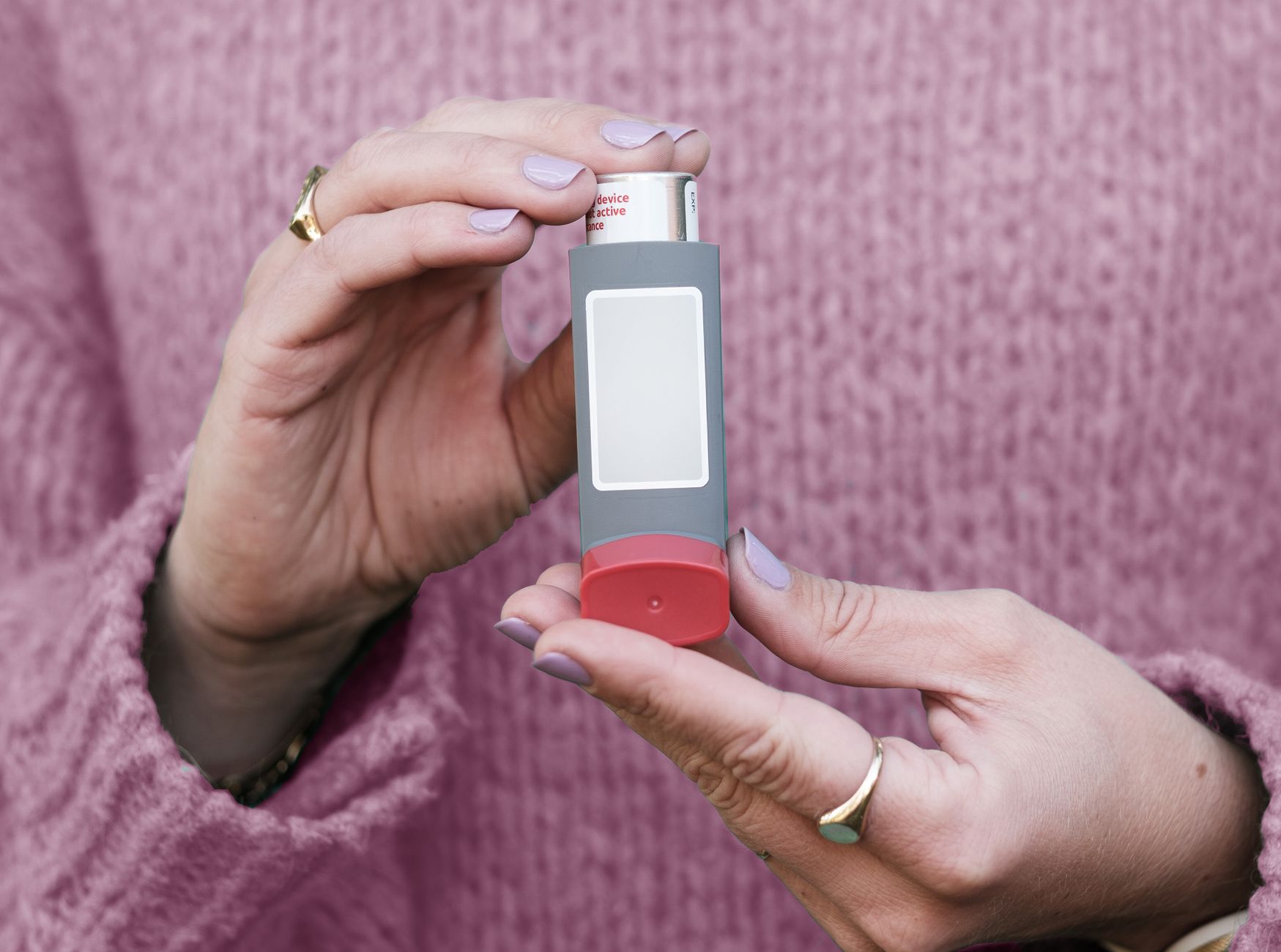
The core distinction is between preventer and reliever therapy. Inhaled corticosteroids such as beclometasone or budesonide reduce airway inflammation over weeks; salbutamol opens airways in minutes but treats nothing underlying. Relying on more than three reliever canisters a year is a recognised warning sign that control has slipped and review is overdue.
Combination approaches, where a single inhaler containing budesonide and formoterol serves as both maintenance and rescue therapy, have reshaped routine practice for many adults. Ask specifically whether this regimen suits you, because it reduces the number of devices to carry and simplifies inhaler technique for teenagers and older adults alike.
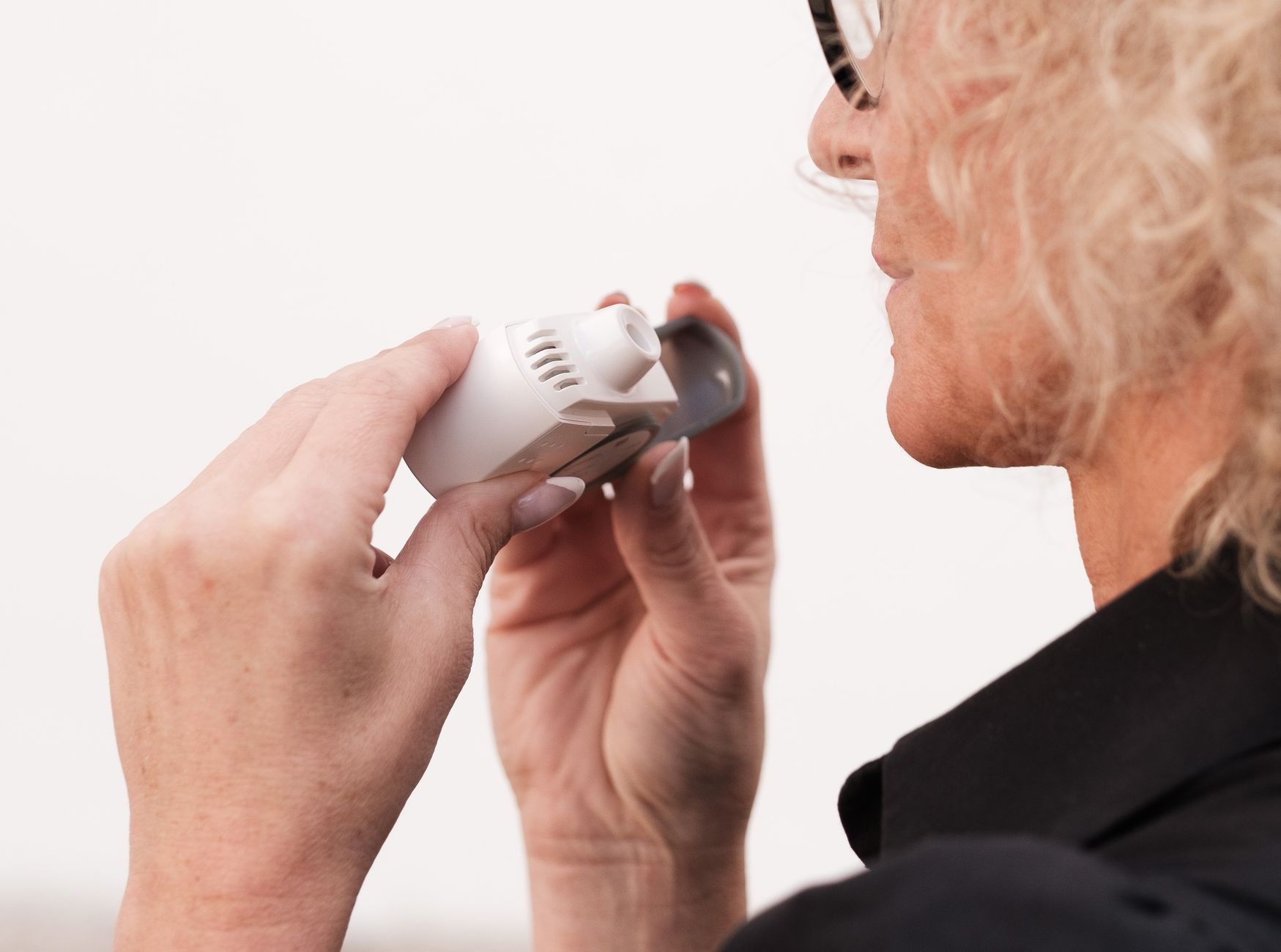
Technique itself deserves attention. Studies of inhaler use repeatedly find that a majority of patients make at least one error that reduces the dose reaching the lungs. A spacer costing between £5 and £12 corrects most of those errors instantly, and a two-minute demonstration at your pharmacy counter is free.
NHS Reviews, Prescription Costs and What to Budget
Good bronchial asthma support in the UK is built around the annual review, which is free at the point of use and usually delivered by a practice nurse or pharmacist. Book it deliberately rather than waiting for a text reminder, and bring your inhalers, your spacer and a two-week symptom diary.
Budgeting matters in England, where each prescription item carries a standard charge of roughly £10. A twelve-month prepayment certificate costs a little over £110 and pays for itself for anyone needing more than about eleven items a year; three-month certificates cost around a third of that. Prescriptions remain free in Scotland, Wales and Northern Ireland.
Beyond prescriptions, useful kit is inexpensive. A peak flow meter costs £6 to £15, mite-proof mattress covers £25 to £60, and a HEPA air purifier suitable for a bedroom sits between £80 and £300. Compared with a single missed working week, these are modest, one-off outlays that pay back quickly.
What a Thorough Annual Review Should Cover
Reviews vary in quality, so arrive knowing what a complete one includes. If any of the following is skipped, ask for it directly rather than assuming it was judged unnecessary.
- Inhaler technique observed in person, not just discussed
- Reliever canister count over the past twelve months
- Peak flow or spirometry compared against your personal best
- A printed, updated written action plan with red-zone instructions
- Trigger review covering home, workplace and pets
- Flu and pneumococcal vaccination status
Your Home Environment and the Triggers You Can Control
Housing quality drives a surprising share of poor control, particularly in older UK rental stock with single glazing and limited ventilation. Damp, cold bedrooms and unvented bathrooms create ideal conditions for mould spores, and tenants have a legal route to demand repairs when disrepair affects health.
Prioritise the bedroom first, because that is where you spend eight uninterrupted hours breathing the same air. Washing bedding weekly at 60°C, removing bedroom carpet where budget allows, and opening a window for ten minutes each morning outperform most gadgets. Ventilation is free and consistently undervalued.
The table below sets out the triggers most often reported in UK homes alongside realistic controls and typical costs, so you can sequence changes rather than attempting everything at once.
| Trigger | Typical UK setting | Practical control | Typical cost |
|---|---|---|---|
| House dust mite | Bedding, carpets, soft toys | 60°C weekly wash, mite-proof covers | £25–£60 |
| Damp and mould | North-facing walls, flats | Dehumidifier, extractor fans, repairs | £120–£250 |
| Pollen | Spring and summer months | Windows shut before midday, shower after being out | £0 |
| Smoke and wood burners | Living rooms, shared gardens | Avoid indoor burning, ventilate thoroughly | £0 |
| Pet dander | Whole home, especially sofas | Sealed HEPA vacuum, dog-free bedrooms | £80–£300 |
Pets, Puppies and an Asthma-Aware Household
No allergen debate divides UK households more than dogs. Dander, saliva proteins and outdoor pollen carried in on a coat all matter, yet blanket avoidance is rarely the advice given. If someone in the family is already typing french bulldog puppy for sale into a phone at midnight, the useful conversation is about management, not prohibition.
Search patterns tell the story clearly. The same household will run a puppy french bulldog for sale query, then a puppy for sale french bulldog variation, then narrow things to french bulldog puppy for sale uk once travel distance and paperwork become real considerations. Each refinement is a chance to add allergen questions to the checklist.
Brachycephalic breeds deserve extra thought. Flat-faced dogs snore, snuffle and shed like any other, and a home already managing airway inflammation may prefer a breed that tolerates long outdoor walks in fresh air. Anyone searching puppy french bulldog for sale uk should weigh exercise needs against the ventilation habits their own lungs require.
Local searches behave differently again. Terms such as english bulldog puppy for sale near me, puppy bulldog for sale near me and british bulldog puppy for sale near me signal an intention to visit in person, which is exactly right: seeing a litter with its mother reveals more about hygiene and ventilation than any listing photograph ever will.
Budget, Breed and Breathing Room
Anyone researching french bulldog puppy price uk figures will find an enormous range once health testing, microchipping and vaccination are included, and unusually cheap listings deserve suspicion rather than excitement. A blue french bulldog puppy for sale typically carries a premium tied to coat colour rather than health, which is a weak reason to pay significantly more.
Size alternatives change the cleaning workload rather than removing it. A mini bulldog puppy for sale may shed less by sheer volume, while an american bulldog puppy for sale near me listing points to a powerful animal needing garden space and daily mileage. Whatever you choose, keep bedrooms permanently dog-free and vacuum with a sealed HEPA machine at least twice weekly.
Local Community Networks, Exercise and Peer Support
The most durable bronchial asthma support is frequently social rather than clinical. Community centres, leisure trusts and patient groups across the UK run breathing workshops, walking groups and school-based education sessions, and attendance costs little or nothing. Peer contact reduces the isolation that quietly worsens adherence over long winters.
Exercise remains one of the most misunderstood elements. Well-controlled asthma should not prevent running, swimming or cycling; swimming in particular suits many people because warm, humid air is less irritating than cold outdoor air. Use your reliever ten to fifteen minutes beforehand if exercise reliably provokes symptoms, and warm up gradually.
Finally, build a small circle who know your plan. A neighbour who can find your spare inhaler, a colleague who recognises early wheeze, and a school office holding an up-to-date care plan collectively shorten the time between deterioration and treatment. That shortened interval is what keeps people out of hospital.
How do I know if my asthma control is getting worse?
Track four signals rather than one. First, reliever use: needing salbutamol three or more times a week suggests inflammation is winning. Second, night waking, because coughing or wheezing that disturbs sleep is an early and reliable red flag. Third, peak flow readings drifting below eighty per cent of your personal best across several consecutive mornings. Fourth, activity limitation, meaning you quietly begin avoiding stairs, hills or the walk to the shops. Any single signal warrants a pharmacy conversation; two or more warrants a same-week appointment. Write the dates down, because clinicians respond far better to a two-week written diary than to a vague sense that things feel harder than usual.
Is it safe to keep a dog if someone in the house has asthma?
Often yes, with structure. Sensitisation to dog allergen is genuine, but reactions vary enormously between individuals and even between dogs, so a trial period arranged with a breeder or rescue beats guesswork entirely. Ask your clinician about allergy testing before committing to anything. Then set rules that survive the honeymoon phase: no dog in bedrooms, hard flooring where possible, weekly bathing of the animal, a sealed HEPA vacuum, and washable covers on any sofa it uses. Ventilate rooms daily rather than relying on air fresheners, which simply add irritants. If symptoms escalate consistently across six to eight weeks despite these measures, revisit the decision honestly instead of waiting for an admission to force it.
What should I do during an asthma attack before help arrives?
Sit upright, stay as calm as circumstances allow, and take one puff of your reliever every thirty to sixty seconds, up to ten puffs, ideally through a spacer, which roughly doubles the amount of drug reaching your airways. If there is no improvement after ten puffs, or if symptoms worsen at any point, call 999 immediately. Repeat the ten puffs while waiting should the ambulance be delayed beyond fifteen minutes. Do not lie down, do not go anywhere alone, and do not wait to see whether it passes. Afterwards, book a review within forty-eight hours even if you feel completely recovered, because an attack usually means the underlying treatment plan needs changing.