

Church Fete Organising Guide UK: From Empty Field to Full Day
This church fete organising guide UK is written for the person who has just been handed a clipboard and a date in the parish diary. A useful church fete organising guide UK has to start with money rather than bunting, because every later decision — stall count, marquee size, insurance band — flows from the budget agreed in week one. A mid-sized parish event in England typically turns over £1,800 to £4,500 on the day, and roughly 55% of that comes from just three sources: the refreshment tent, the tombola and the plant stall. The remainder arrives in £1 and £2 coins from side stalls that cost almost nothing to stock. What follows is the running order you actually need: timings, supplier prices in pounds, volunteer ratios, and the paperwork that catches out first-time organisers every single summer.
Fixing the Date and the Budget Before Anything Else
Pick the date first, then work backwards twelve weeks. Late June and early September avoid school holidays and the worst of the wasps. Check the parish diary, the local school calendar and any rival event within eight miles; two fetes on the same Saturday will halve both gates and sour relations for years afterwards.
Set a float and a ceiling. A realistic fixed cost base for a village-scale event runs £600 to £1,100: public liability cover, a marquee or two gazebos, printing, PA hire and licences. Anything above that ceiling needs a sponsor, not optimism. Ask three local businesses for £150 each in exchange for banner space.
Decide early where the surplus goes. Donors give more when the target is concrete — a £2,400 boiler repair beats a vague appeal to church funds. If the cause sits outside the parish, the treasurer will want a written resolution, and that is also the moment someone usually asks how to set up a charity for a spin-off project.
Working Out a Realistic Per-Head Spend
Assume 40% of your catchment attends and each visitor spends £6 to £9. A settlement of 900 people therefore yields around 360 visitors and £2,200 to £3,200 gross. Always model the pessimistic figure. If fixed costs exceed 30% of that pessimistic gross, cut a stall or find another sponsor before committing.
Venue, Licences and the Committee You Answer To
A churchyard or school field is usually free, but the wet-weather fallback matters more. The typical village hall hire cost UK committees quote runs £8 to £25 per hour, so a six-hour Saturday block lands between £60 and £150. Book it provisionally in week two and release it free of charge if the forecast holds.
If you need a road closure, a field gate or a small grant, you will end up in front of the parish council. Parish council meeting rules UK clerks apply require agendas to be published three clear days ahead, with public participation often capped at fifteen minutes. Submit your request a fortnight early, and send one person with one page and one number.
Public liability cover of £5 million is the standard requirement. Many dioceses extend their existing policy to parish events at no extra cost, so check that before paying £90 to £180 for a standalone one-day policy. Bouncy castles, animals and hot food must be named on the schedule, and every external supplier should show their own certificate.
A temporary event notice costs around £21 and covers alcohol or regulated entertainment for up to 499 people; file it at least ten working days ahead. Raffles drawn on the day fall under incidental lottery rules, which means no advance ticket sales off-site and no single cash prize above £250.
Building a Stall Line-Up That Actually Earns
Rank stalls by pence per square metre rather than by tradition. Refreshments, tombola and plants deliver consistently; book stalls and bric-a-brac fill space and cost nothing to stock. A strong line-up is eight to fourteen stalls for a 300-visitor fete, plus two children’s activities priced at 50p a go to keep families circulating.
| Stall | Typical outlay | Realistic take | Volunteers |
|---|---|---|---|
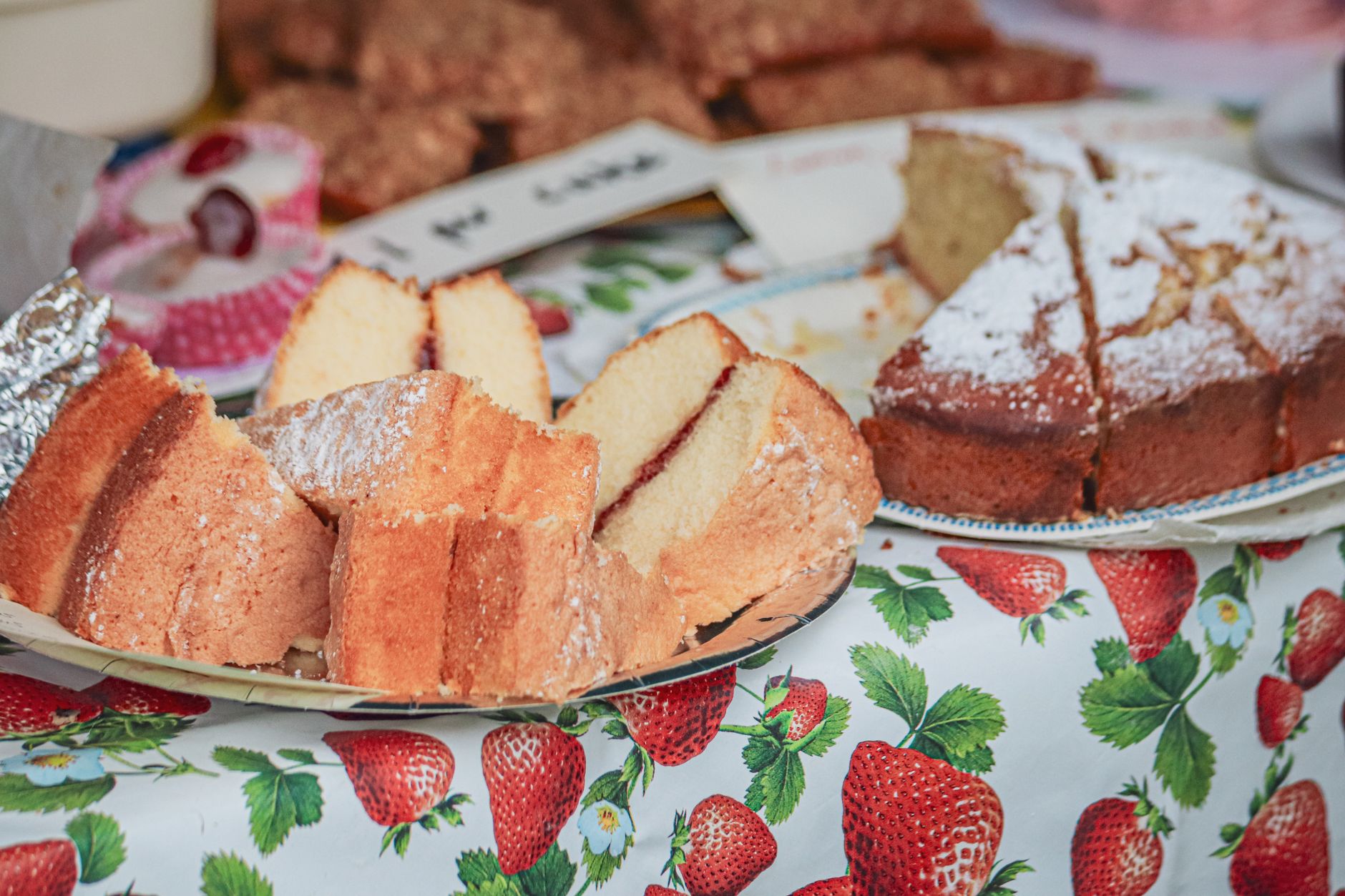
| Refreshments (tea, cake) | £70 | £450–£700 | 4 |
| Tombola | £40 | £250–£400 | 2 |
| Plant stall | £0 (donated) | £180–£320 | 2 |
| Grand raffle | £35 printing | £300–£600 | 1 |
| Bric-a-brac | £0 | £120–£220 | 2 |
| Children’s games | £25 | £90–£150 | 2 |
Stock arrives from the same instinct behind donating clothes to charity UK households act on every spring: people want a use for good things they no longer need. Put collection crates out six weeks ahead, but set firm rules — no electricals, no child car seats, nothing broken — or you will spend Sunday morning at the tip.
Price the way the best charity shops in London do: round numbers, visible labels, and an everything-for-£1 table after 3pm to clear stock fast. Unsold clothing should go directly to a shop that accepts bulk donations rather than back into the vestry, where it will quietly sit until the following year.
Tombola Mechanics That Beat the Odds
Sell tickets at £1 for three, with prizes on numbers ending in 0 and 5. Aim for 250 wrapped prizes, of which twenty are genuinely desirable — a bottle of gin, a hamper, a hairdresser voucher. Display those twenty at eye level on the front edge and the queue builds itself within minutes.
Recruiting Volunteers, Rotas and Safeguarding
Budget one volunteer per twenty expected visitors, plus a floating pair to cover breaks. A 300-visitor fete therefore needs roughly seventeen people across the day, split into two shifts. Recruit in person after services and at the school gate; a sheet with named half-hour slots outperforms a general appeal by about three to one.
People who have already looked into how to volunteer at food bank sessions, or who have researched how to become a school governor, make excellent crew leaders. They understand rotas, safeguarding and awkward conversations about money. Approach them individually rather than through a newsletter, and give each one a single written brief covering role, timings and who to call.
Marshalling the car park and the cash run needs steady, visible people. Anyone who has run a neighbourhood watch scheme knows how to start a rota that actually holds, and those networks can hand you twenty reliable adults from one message. Two marshals in hi-vis at the entrance also cut queue complaints sharply.
Anyone supervising children unaccompanied needs a current DBS check, so build roles around who already holds one. Cash handling should be two-person from bucket to bank bag. Start with a £150 float in coins: 100 × £1, 60 × 50p and the balance in 20p pieces for the games stalls.
Promotion, Wet-Weather Plans and Counting the Cash
Posters go up four weeks out, banners two weeks out on three approach roads, and the local Facebook group gets three posts: announcement, stall reveal, and a Friday evening reminder with the forecast attached. Around 60% of attendance comes from word of mouth, so ask every volunteer to invite six people personally.
Write the wet-weather plan in advance and trigger it at 7am, not 11am. Marquee hire at £180 to £350 for a 6m × 12m frame buys certainty; gazebos at £25 each buy hope. Move refreshments indoors first and the cash desk second, and accept that a rainy fete takes roughly 45% less.
Knowing how to run a village fete is mostly knowing what to do at 4pm. Count in pairs, bank on Monday, thank every helper within seven days, and write a one-page debrief while the detail is fresh. That single page is what persuades next year’s committee to say yes without hesitation.
- Week 12: date confirmed, budget signed off, hall provisionally booked
- Week 8: insurance checked, temporary event notice filed, collection crates out
- Week 4: posters distributed, stall holders confirmed, raffle tickets printed
- Week 1: rota circulated, float withdrawn, wet-weather decision point agreed
- Day after: cash counted twice, thank-you list written, debrief drafted
The surplus and the goodwill usually fund the next thing. Parishes fresh from a fete are often the ones starting a community garden UK councils will lease land for, or opening a community fridge. How it works is straightforward: surplus stock from local shops is redistributed daily under standard hygiene rules, with no eligibility test at the door.
That openness is the key difference from the UK food bank referral process, where a voucher from a school, GP or support agency comes first. A collection tin marked for both keeps donors comfortable, and a laminated card beside the tea urn explaining each route saves your volunteers a dozen repeated conversations.
How Long Does It Take to Organise a Church Fete From Scratch?
Twelve weeks is the working minimum for a first-time event, and sixteen is comfortable. The first four weeks are administrative: confirming the date against the school and parish calendars, agreeing a budget ceiling, checking whether diocesan insurance already covers you, and securing a wet-weather venue. Weeks five to eight cover recruitment, stall holder confirmations and any licence filings, which need at least ten working days. The final four weeks are promotion and logistics — posters, banners, social posts, the volunteer rota and the cash float. An established fete with a returning committee can be delivered in six to eight weeks because suppliers, prices and rotas already exist in last year’s debrief notes.
Is Public Liability Insurance Legally Required for a Parish Fete?
There is no blanket statutory duty to hold public liability cover for a voluntary event, but in practice it is non-negotiable. Landowners, schools and parish councils almost always make £5 million of cover a condition of using their site, and most reputable marquee, fairground and catering suppliers will require sight of a certificate before they arrive. Many Church of England and Catholic dioceses extend their existing parish policy to fete-style events at no additional premium, so ask the diocesan office before spending £90 to £180 on a standalone one-day policy. Separately, external stall holders, inflatable operators and animal handlers must carry their own cover, and you should collect copies in writing at least two weeks beforehand.
What Is a Realistic Profit for a Small Village Church Fete?
For a settlement of 700 to 1,200 people, expect gross takings of £1,800 to £4,500 and fixed costs of £600 to £1,100, leaving a net figure between £1,000 and £3,400. Refreshments alone typically clear £450 to £700 on a £70 outlay, because tea, squash and donated cake carry margins nothing else matches. A grand raffle with a genuinely good top prize is the single biggest swing factor and can add £300 to £600. Weather moves the total by up to 45% in either direction, which is why the pessimistic model should drive your commitments. Following this church fete organising guide UK approach, most parishes see year-two takings rise 20% to 30% on repeat attendance alone.