
Befriending Service Volunteer UK: How to Start and What to Expect
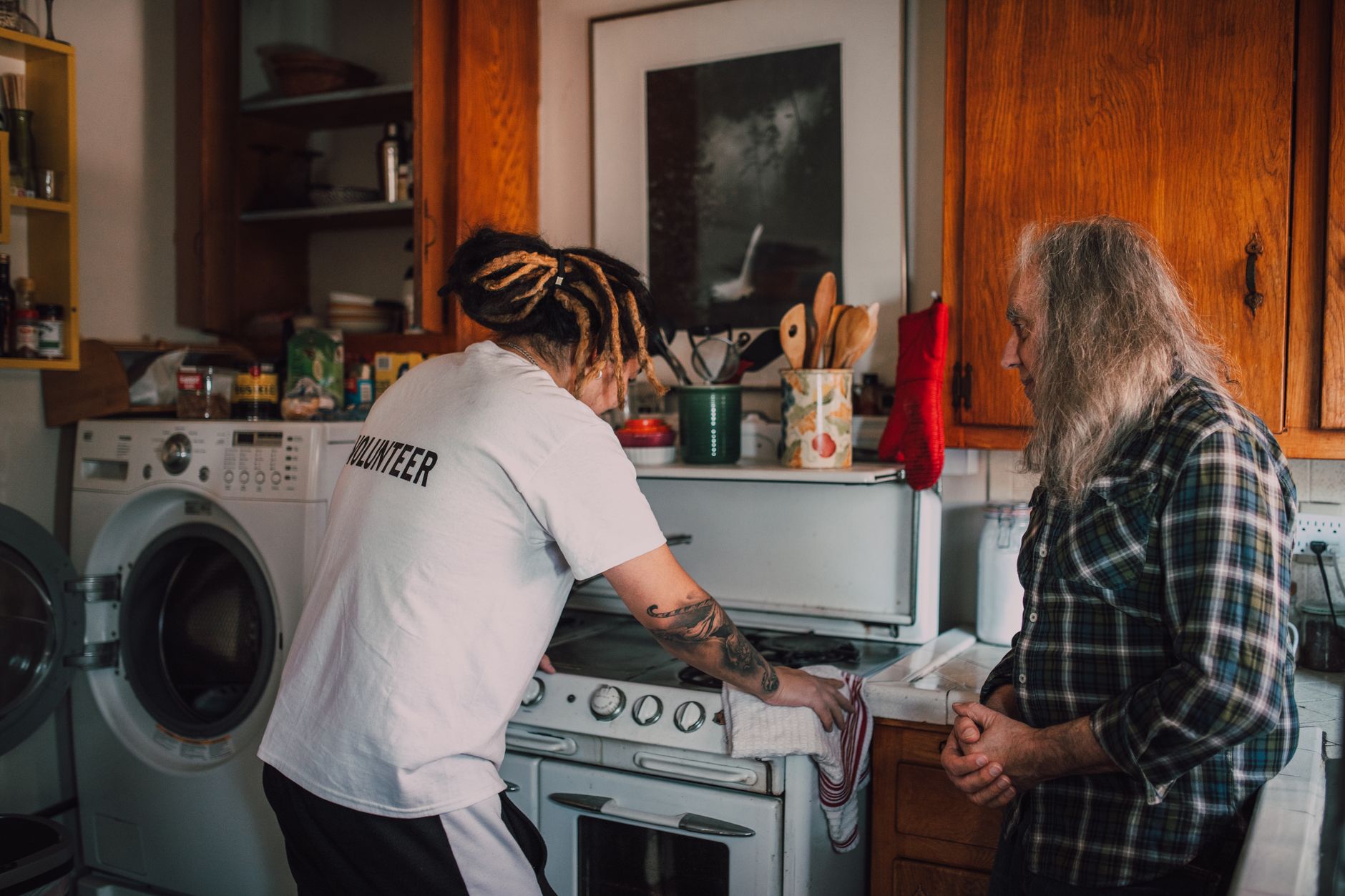
Becoming a befriending service volunteer UK charities depend on is one of the simplest ways to change someone’s week. A befriending service volunteer UK organisations recruit typically gives one hour, once a week, to an older or isolated person who might otherwise speak to nobody between Friday and Monday. The role needs no medical training, no degree and no car in most areas — just reliability, a DBS check and the patience to let a conversation wander. Age UK, Royal Voluntary Service, Independent Age and hundreds of small local trusts run schemes across England, Scotland, Wales and Northern Ireland, and demand consistently outstrips supply. Waiting lists of 40 to 120 people are normal in mid-sized towns. This guide covers what the work involves, how recruitment and training actually run, what it costs you, and how befriending sits alongside the wider community volunteering most neighbourhoods rely on.
What a Befriending Volunteer Actually Does Each Week
The core of the role is a repeated, predictable contact. Most schemes ask for a 60-minute visit or call at the same time each week for at least six months, because consistency is what breaks isolation. One-off visits feel pleasant but rarely shift anyone’s mood or confidence over a full winter.
Conversation is the work. Volunteers report the strongest matches come from shared reference points — a former trade, a football club, a village someone left decades ago. Bringing one small prompt helps: a local newspaper, a seed catalogue, or photographs of a street as it looked forty years ago.
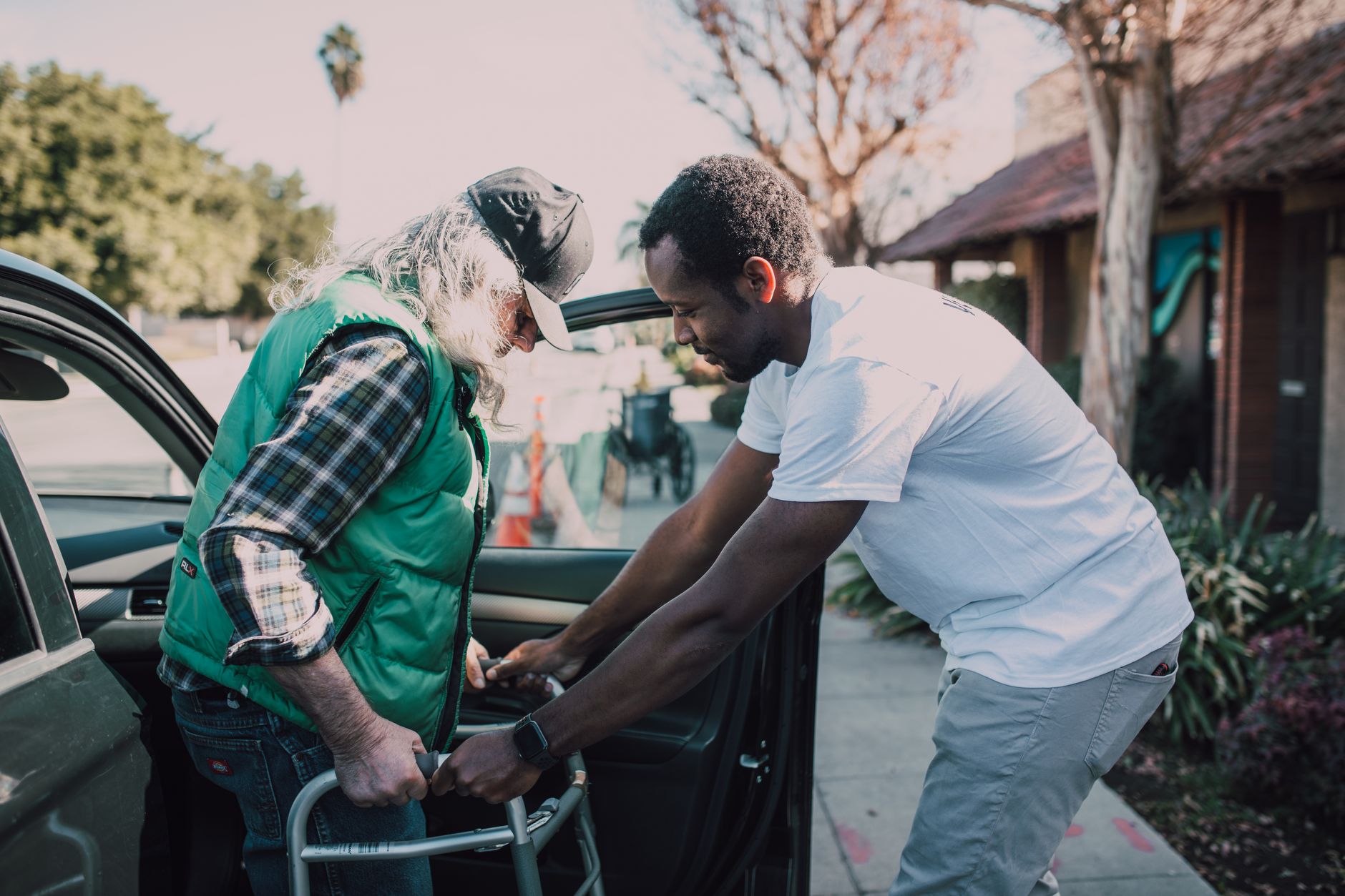
The boundaries matter as much as the warmth. Befrienders do not give personal care, handle money, administer medication or transport people in their own cars unless separately insured and approved. If something concerns you, you report it to the coordinator the same day rather than trying to solve it yourself.
Telephone Befriending Versus Face-to-Face Visits
Telephone befriending suits people with irregular schedules and rural volunteers. Calls run 20 to 45 minutes, need no travel, and the charity supplies the number so your own stays private. The trade-off is depth; a voice alone misses the unopened post, the cold room and the empty fridge.
Face-to-face visits catch what calls cannot. Sitting in someone’s front room for ninety minutes reveals a broken boiler, a fall risk on the stairs, or three weeks of unread letters. Schemes increasingly pair both approaches: a weekly visit plus a short midweek call from a second volunteer.
How to Apply, Train and Pass Your DBS Check
Becoming a befriending service volunteer UK charities can rely on starts with a two-page online form, two references and an informal chat rather than a formal interview. Coordinators screen for reliability and warmth, not qualifications. Expect questions about availability, languages you speak, and whether you can commit through December and January.
Every role involving unsupervised contact requires an enhanced DBS check. The charity pays the fee for volunteers, so your cost is zero, but processing takes two to six weeks. Joining the DBS Update Service for roughly £16 a year lets your certificate travel with you between organisations without repeat applications.
Training is short and practical. A typical induction runs six hours across two evenings and covers safeguarding, confidentiality, lone working, dementia awareness and how to close a visit that has overrun. Many coordinators add a shadowing session where you accompany an experienced befriender before taking on your own match.
Matching is deliberate. Coordinators pair on interests, temperament and geography rather than availability alone, which is why the gap between approval and your first visit can stretch to a month. Push for someone within two miles; a 25-minute walk sustains far better than a 40-minute drive in bad weather.
How Befriending Connects to Food Banks, Fridges and Charity Shops
Befriending rarely stays isolated from other local provision. The person you visit may need food support, and understanding the UK food bank referral process saves weeks of confusion. Most Trussell-affiliated banks require a voucher issued by a referral agency such as Citizens Advice, a GP surgery, a school or the local council.
Volunteers regularly ask how to volunteer at food bank sessions once befriending has started. Warehouses need three-hour sorting shifts, delivery rounds need clean driving licences, and distribution centres need people who can sit with a stranger for twenty minutes. That last skill is precisely what befriending trains you to do.
A community fridge, how it works and who may use it, is worth explaining early. Anyone can take surplus food, with no referral and no means test, which removes the shame barrier that stops proud older people asking for help. Most sites ask stewards for a level 2 food hygiene certificate, around £20 online.
Retail volunteering fills the gaps between visits. Some of the best charity shops in London — Mary’s Living and Giving branches, Oxfam boutiques, FARA and Trinity Hospice stores — train volunteers in steaming, pricing and Gift Aid. When donating clothes to charity UK shops can actually resell, quality beats volume, since stained fabric costs the shop money in textile recycling fees.
Comparing Local Volunteering Roles
| Role | Typical weekly time | Your out-of-pocket cost | Training required |
|---|---|---|---|
| Telephone befriending | 1 hour | £0, number supplied | 3-6 hour induction |
| Home-visit befriending | 1.5-2 hours | Travel, often reimbursed at 45p per mile | 6-10 hours plus enhanced DBS |
| Food bank sorting | 3 hours | £0 | 1 hour on site |
| Community fridge steward | 2 hours | About £20 for hygiene certificate | Food hygiene level 2 |
| Charity shop floor | 4 hours | £0 | 2 hour induction |
Setting Up a Befriending Scheme in Your Own Town
Some volunteers end up building a scheme rather than joining one. Start by testing demand: ask the GP practice manager, the parish clerk and the sheltered housing officer how many isolated residents they know by name. Twelve named people justifies a structure; four is a friendship group, not a service.
Learning how to set up a charity in England or Wales means registering with the Charity Commission once income exceeds £5,000, appointing at least three unrelated trustees and adopting a governing document. A charitable incorporated organisation is the usual choice because it limits trustee liability and costs nothing to register online.
Physical space anchors a scheme. The village hall hire cost UK groups face typically runs £8 to £25 an hour, and many committees waive fees entirely for constituted local charities. A monthly two-hour coffee morning at £15 an hour costs £360 a year, cheaper than most digital platform subscriptions.
Local structures help more than they hinder. Parish council meeting rules UK residents rely on guarantee a public participation slot, usually ten minutes near the start, with agendas published three clear days ahead. Residents also ask about the Neighbourhood Watch scheme, how to start one, and whether coordinators may flag isolated neighbours.
Funding, Fundraising and Keeping Volunteers for the Long Term
Funding a small scheme is a four-figure problem, not a six-figure one. Knowing how to run a village fete covers most of it: a summer fete with 400 attendees, £2 entry, a tombola and a cake stall clears £1,800 to £3,500 once insurance, hire and printing are paid.
Grant funding fills the remainder, and the applications are shorter than most people fear. Typical sources include:
- National Lottery Community Fund small grants, commonly up to £20,000
- County community foundations, usually £500 to £5,000 for expenses and DBS fees
- Parish and town council grants, often £250 to £2,000 per year
- Supermarket community schemes paying £500 to £1,000 per quarter
Shared projects keep volunteers engaged between visits. Starting a community garden UK councils will back usually needs a five-year lease on unused land, public liability insurance around £150 annually, and roughly £900 for raised beds, tools and a water butt. Befriended residents join as growers rather than recipients, which changes the dynamic entirely.
Skills transfer in both directions. Volunteers who learn safeguarding and confidentiality through befriending often ask how to become a school governor next; the route runs through the school business manager or the local authority, needs about six hours a term, and rewards exactly the same listening habits.
How Do I Find a Befriending Service Volunteer UK Role Near Me?
Start with three searches rather than one. Check your local Council for Voluntary Service directory, which lists small independent schemes that never appear on national sites. Then check Age UK and Royal Voluntary Service directly, and finally ask at your GP surgery or library, since social prescribing link workers usually know which schemes have current waiting lists. Apply to two organisations at once, because response times vary from three days to five weeks depending on coordinator capacity. Expect the full journey from application to first match to take four to eight weeks, most of which is DBS processing rather than assessment. Smaller schemes frequently match faster than national charities.
Is Befriending Volunteering Suitable With No Care Experience?
Yes, and most schemes actively prefer volunteers without a professional care background. The role is deliberately non-clinical: you are a visitor and a companion, not a support worker, and any task involving washing, dressing, medication or lifting sits outside your remit and outside the charity’s insurance. What coordinators look for is punctuality, discretion and comfort with silence, since many matches involve someone who has lost the habit of conversation and needs several visits to warm up. Induction training covers everything else, including how to recognise safeguarding concerns and who to call. Around a third of volunteers in typical schemes are under 35 and have never worked in health or social care.
What Happens During a First Befriending Visit?
The first visit is usually chaperoned by the coordinator and lasts around thirty minutes rather than a full hour. You exchange first names only, confirm a regular day and time, and agree practical ground rules such as how to cancel and whether you should phone before arriving. Conversation stays light: where you both grew up, what the street used to look like, whether the person still watches particular programmes or follows a team. Nobody expects a deep connection immediately, and a slightly awkward first meeting is completely normal. The coordinator follows up within 48 hours to check both sides are comfortable, and either party can request a different match with no explanation required.