
Community Energy Project UK Explained: Ownership, Costs and Local Benefit
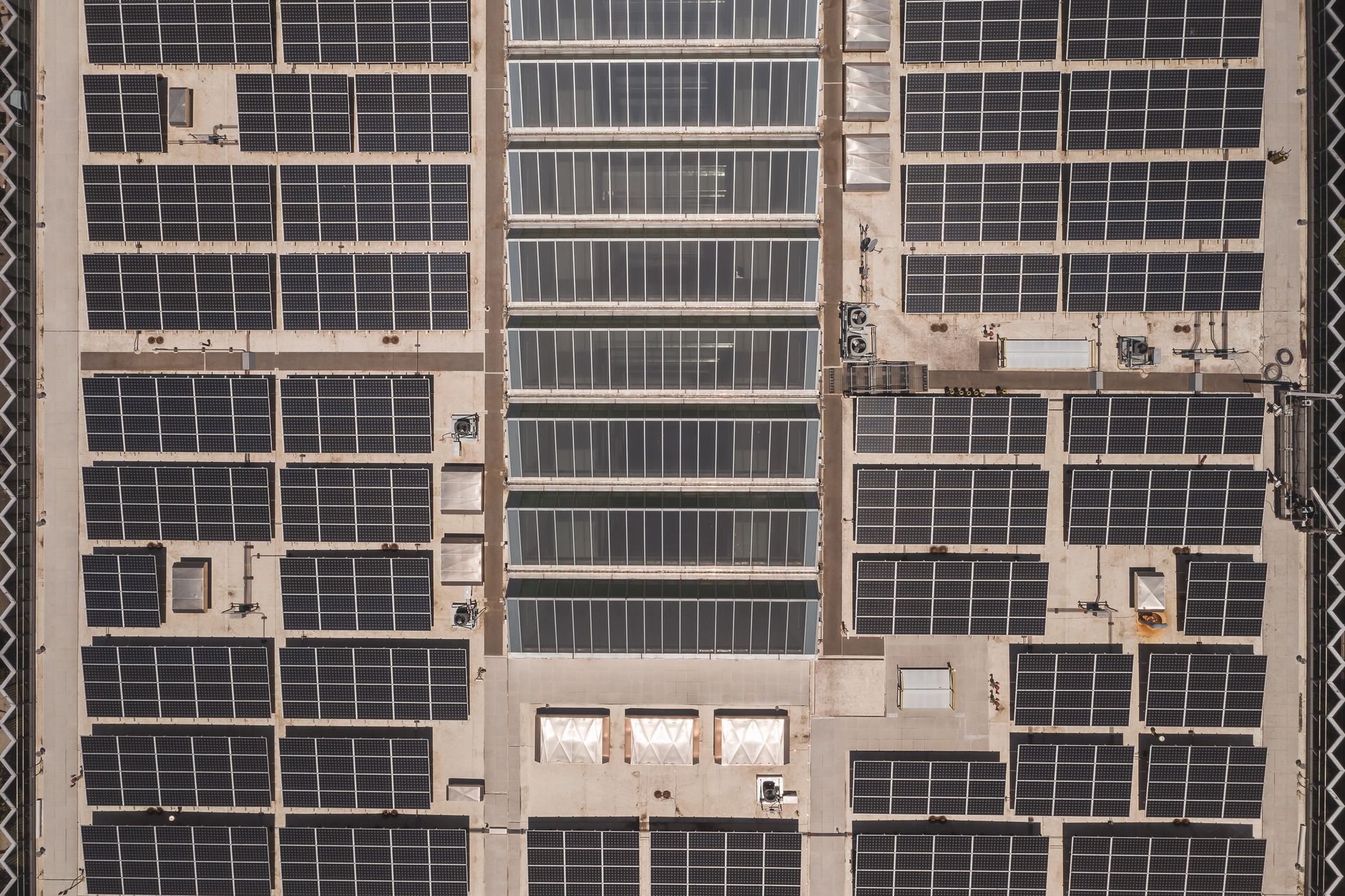
A community energy project UK explained in the simplest terms is a generation or energy-saving scheme owned and controlled by local people rather than a distant utility company. Ask for a community energy project UK explained at a village meeting and most people picture solar panels on a school roof, but the model stretches much further: hydro screws on old mill weirs, single turbines part-owned by farmers, battery storage behind a leisure centre, and bulk-buy insulation drives organised street by street. What unites them is the legal structure. Members hold shares, one member gets one vote regardless of how much they invested, and any surplus income returns to the area through a community benefit fund. Typical schemes raise between £150,000 and £2.5 million from local share offers, install between 50 kW and 5 MW of capacity, and operate under leases lasting 20 to 25 years.
What a community energy project actually owns
Ownership is the whole point. The society holds the asset itself, whether that is a panel array, a turbine, a hydro screw or a battery, through a democratic legal entity that residents can join for as little as £50 or £250. Members elect a board, approve the accounts and vote on how surplus income is spent.
The dominant structure is the community benefit society, registered with the Financial Conduct Authority under co-operative legislation. Anyone who has researched how to set up a charity will recognise the rhythm: a written constitution, an asset lock, named officers and an annual return. The difference is that members invest their money here rather than simply donating it.
That distinction matters at the bank. Donations are gifts; withdrawable share capital is money the society expects to repay with interest. Directors therefore carry a duty to model cash flow honestly across two decades, not merely to run a popular cause with enthusiasm, goodwill and an optimistic spreadsheet built in one evening.
Community benefit society or community interest company
A community interest company suits groups that want a small controlling team plus outside grant funding, but it cannot issue withdrawable shares to the general public. If the plan is to raise £300,000 from two hundred neighbours, the benefit society wins because it can sell community shares without a full prospectus.
Registration costs stay modest. Regulator fees run from roughly £40 to £950 depending on whether sector model rules are adopted unchanged, while legal advice on a bespoke constitution usually adds £2,000 to £6,000. For a first scheme, taking the model rules exactly as written is the cheapest and fastest route.
Raising the money: share offers, grants and debt
Capital arrives from three directions: community share offers, grant funding for early development, and commercial or ethical debt. A typical rooftop scheme raises 60 to 100 percent of its build cost from shares, with any balance covered by a co-operative lender or a local authority climate loan at 4 to 7 percent.
Share offers commonly set a £250 minimum and a statutory £100,000 maximum per member, target 3 to 6 percent annual interest, and stay open for six to twelve weeks. Offers carrying the Community Shares Standard Mark tend to close faster, because the documents have already been independently reviewed against a published standard.
Development costs bite long before income appears. Feasibility studies, grid connection applications, structural surveys and legal fees routinely total £15,000 to £60,000, and much of that is spent on schemes that never get built. Grant funds and revolving development loans exist precisely to absorb that early failure risk.
| Technology | Typical capacity | Capital cost | Simple payback |
|---|---|---|---|
| Rooftop solar on a school or leisure centre | 100–250 kW | £90,000–£250,000 | 9–13 years |
| Ground-mount solar | 1 MW | £700,000–£900,000 | 10–14 years |
| Small hydro on a weir or mill leat | 50–100 kW | £350,000–£700,000 | 12–18 years |
| Single wind turbine | 500 kW–1 MW | £900,000–£1.8m | 8–12 years |
| Battery storage | 1–2 MWh | £300,000–£800,000 | 7–11 years |
Finding a site and winning local consent
Revenue depends on who buys the power. A private wire arrangement selling directly to the host building at 10 to 25 percent below grid price is far more valuable than exporting everything, so organisers hunt for sites with steady daytime demand: schools, swimming pools, dairy farms, workshops and care homes.
The paperwork is unglamorous. A distribution network operator connection quote costs £500 to £2,000 and can take eight weeks, planning permission for ground-mount arrays adds three to six months, and the roof or land lease must run at least as long as the finance. Nothing here moves quickly.
Consent is won face to face. The search history of any parish tells the same story, with residents typing neighbourhood watch scheme how to start, starting a community garden uk and how to run a village fete into their phones, and the same twenty people answering all three. Those people decide whether an energy scheme flies.
Working with the parish council and the village hall
Parish council meeting rules UK bodies follow require the agenda to be published three clear days ahead, with public participation minuted, so put your item on formally rather than raising it under any other business. A ten-minute presentation with one page of figures beats forty minutes of passionate argument every time.
Budget for the room as well. Village hall hire cost UK averages sit between £8 and £25 an hour, so four consultation evenings plus a share-offer launch might total £180 to £400. Volunteers who already know how to run a village fete will staff the tea urn and the sign-up sheet without being asked twice.
Governance, volunteers and the annual grind
Boards usually run to five or nine unpaid directors meeting six to ten times a year, plus a treasurer who quietly does three times more work than anyone else. Expect each director to give 40 to 100 hours annually, rising sharply during a share offer or a grid connection dispute.
Recruitment mirrors how to become a school governor: an expression of interest, a short skills audit covering finance, engineering, law and communications, an interview with existing members, then a fixed term of three or four years with a third of the board retiring by rotation each annual general meeting.
Operations cost real money once the asset is live. Monitoring and maintenance contracts run at roughly £8 to £15 per kW each year, insurance sits between £1,200 and £3,000, and independent accountancy adds £1,500 to £4,000. Building those figures into the model from day one prevents an embarrassing shortfall in year three.
Succession is the silent risk. A community energy project UK explained honestly must admit that the founding treasurer will eventually move, retire or burn out, so document the passwords, the meter readings, the lease terms and the supplier contacts somewhere other than one person’s laptop.
Where the surplus goes: the community benefit fund
Surplus after interest, maintenance and reserves flows into a community benefit fund. A 250 kW rooftop array generating around 220 MWh a year might produce £4,000 to £12,000 of distributable surplus once debt is serviced. That is trivial money nationally and transformative in a parish of 1,800 residents.
Grants are decided in public. Most societies publish criteria, invite applications twice a year, and cap single awards at £1,000 or £2,000 so the fund reaches breadth rather than one flagship building. Energy-related causes usually score highest, though few funds restrict themselves that tightly in practice.
- Fuel-poverty vouchers of £50 to £150, routed through the same trusted-referrer network as the UK food bank referral process so nobody is means-tested twice in one month.
- Electricity bills for a surplus food scheme, plus the door signage explaining community fridge how it works to first-time users who assume it is staff-only.
- Tools, water butts and raised beds for a growing group, since starting a community garden UK style costs roughly £1,200 to £3,500 before the first harvest.
- Induction sessions and travel expenses for residents asking how to volunteer at food bank shifts, which typically need six people per two-hour session.
- Draught-proofing packages of about £400 per home for pre-1930 terraces, alongside free thermal imaging surveys each winter.
The fund never replaces ordinary generosity. Donating clothes to charity uk households already do at enormous scale, and the best charity shops in london each turn over £250,000 a year, figures a parish energy fund will never approach. What it offers instead is predictable money arriving every single year without another raffle, sponsored walk or fundraising appeal.
How much money do you need to start a community energy project?
Two budgets matter. The development budget covers feasibility, grid application, surveys, legal fees and share-offer documents, and usually lands between £15,000 and £60,000, frequently met by grants or by directors deferring their expenses. The capital budget then depends entirely on technology: £90,000 buys a 100 kW school rooftop array, while £900,000 buys a single mid-scale turbine. Most first-time groups aim at rooftop solar of 50 to 250 kW because the planning route is simpler and the share offer target stays realistic. A pragmatic rule is that a village of 1,500 households can usually raise £150,000 to £400,000 locally, provided the offer runs for at least eight weeks with visible, trusted local names on the board.
Is a community energy project a safe place for local savings?
Community shares are not savings accounts. They are withdrawable share capital, they sit outside the Financial Services Compensation Scheme, capital is genuinely at risk, and there is no secondary market if you need cash quickly. Interest of 3 to 6 percent is a target the board sets each year from actual surplus, not a contractual promise, and boards do reduce or suspend it when generation underperforms or an inverter fails early. Withdrawal is normally blocked for the first three years and afterwards remains at the board’s discretion, subject to the society holding sufficient liquidity. Treat it as patient local investment, sized at money you can leave alone for a decade, rather than as a substitute for a cash ISA.
What happens to a community energy project when the equipment wears out?
Long-term planning is written into the lease. Solar panels degrade at roughly 0.5 percent a year, so a twenty-five-year-old array still produces around 88 percent of its original output, while inverters need replacing once or twice at £15,000 to £30,000 per megawatt. Sensible societies build a sinking fund from year one to cover that. At lease end the options are repowering with modern equipment, renegotiating a further term with the landowner, or decommissioning and restoring the site, with the cost usually secured by a bond agreed at planning stage. The asset lock ensures that if the society dissolves, remaining assets transfer to another organisation with similar community aims rather than to individual members.