
How to Become a Community Car Scheme Volunteer UK: The Complete Driver Guide
Becoming a community car scheme volunteer UK residents depend on means turning an ordinary car and a few spare hours into a lifeline for people who cannot reach a hospital, a pharmacy or a weekly shop. Across the country, roughly 200 to 250 local schemes run on this model, matching drivers with passengers who are elderly, disabled, recovering from surgery, or simply stranded by a rural bus route that runs twice a day. The role is unpaid, but mileage is reimbursed, usually at the HMRC approved rate of 45p per mile. Most coordinators ask for a minimum of one journey a fortnight, and trips average 12 to 18 miles round trip. This guide covers the checks you need, the insurance questions to ask, realistic time and money commitments, and how car schemes connect to the wider ecosystem of village-level volunteering.
What Does a Community Car Scheme Volunteer UK Driver Actually Do?
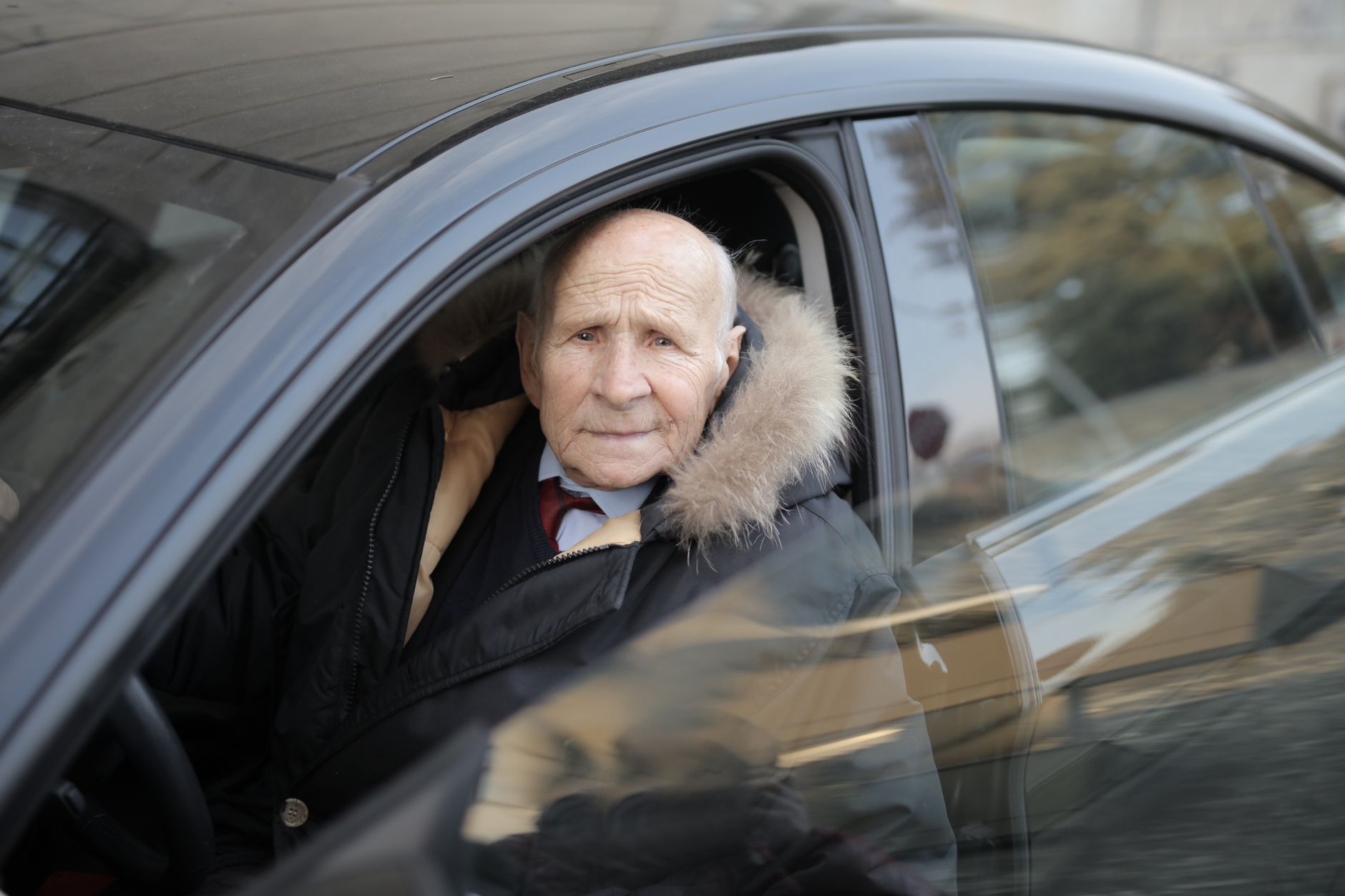
The core task is door-through-door transport. Unlike a taxi, a community car scheme volunteer UK driver knocks, helps with a coat, carries shopping to the kitchen table and waits during an appointment when needed. Coordinators typically book journeys 48 hours ahead by phone, and you accept or decline each one by text or through a simple rota app.
Passenger profiles vary sharply by area. Rural schemes in Devon or Cumbria mostly cover hospital outpatient runs of 20 to 40 miles each way. Urban schemes handle shorter hops to dialysis units, memory clinics and day centres. Around 70 per cent of passengers are over 75, and many have no family living within an hour’s drive.
Time commitment is flexible, but honest scheduling matters more than generosity. A single hospital trip with waiting time can absorb four hours. Drivers who reliably offer two mornings a month are valued far more than those who promise weekly availability and cancel. A late cancellation can mean someone misses a scan that took eleven weeks to secure.
Journeys you will and will not be asked to cover
Schemes cover medical appointments, pharmacy collections, supermarket trips, benefit assessments and social visits that reduce isolation. They rarely cover emergency transport, stretcher patients, or anything needing a wheelchair-accessible vehicle unless the scheme owns one. If a passenger requires hoisting or oxygen, that is a job for patient transport services, not a volunteer saloon car.
Checks, Licence Requirements and Insurance Before Your First Trip
Expect an enhanced DBS check with a barred-list check if you will drive children or adults at risk. Volunteer DBS applications are free of charge, although some schemes pass on an umbrella body administration fee of £10 to £20. Processing usually takes two to four weeks, though certain counties run noticeably slower during summer.
Most schemes want a full licence held for at least two years, a clean or near-clean record, and a driver aged between 21 and 80. Cars need a valid MOT, road tax and a documented service history. Some committees insist on a vehicle no older than 12 years; others simply inspect tyres, seat belts and door clearance.
Insurance is where volunteers hesitate unnecessarily. Association of British Insurers members treat volunteer driving as social, domestic and pleasure use, provided reimbursement never exceeds HMRC rates and you make no profit. Tell your insurer in writing, get written confirmation by email, and file it with your scheme paperwork. The overwhelming majority of insurers add no premium whatsoever.
Training a well-run scheme should provide
Induction usually runs two to three hours and covers safeguarding, confidentiality, manual handling limits, dementia awareness and lone-working procedures. Stronger schemes add a first-aid refresher and a session on recognising a passenger in crisis. Ask what happens if you arrive and find someone has fallen; the quality of that answer reveals everything about the organisation.
Mileage, Expenses and the Real Cost of Volunteering
Reimbursement follows HMRC approved mileage allowance payments: 45p per mile for the first 10,000 miles in a tax year, then 25p per mile after that. Payments at or below these rates are tax-free and require no reporting. Claims are usually monthly, on a one-page form listing date, passenger reference and total mileage.
That 45p is designed to absorb fuel, wear, tyres and a share of insurance and depreciation. For a diesel estate returning 50mpg, fuel accounts for roughly 15p per mile, leaving genuine headroom for maintenance. Drivers of older petrol cars returning 30mpg see thinner margins, but almost never finish a year out of pocket.
Passengers normally contribute towards the journey, either a flat fare or a per-mile charge collected by the coordinator, never by you. Handling cash directly creates safeguarding and accounting problems for everyone. Parking charges and hospital car park fees are reimbursed separately, so keep every ticket and submit it alongside your mileage claim.
The figures below reflect what schemes typically publish, although committees review them annually and rural distances change the arithmetic considerably. Treat them as planning benchmarks rather than quotations, and confirm current rates with your local coordinator before committing to a regular weekly run.
| Item | Typical figure | Notes |
|---|---|---|
| Volunteer mileage rate | 45p per mile to 10,000 miles | HMRC approved, tax-free, 25p thereafter |
| Enhanced DBS check | £0 for volunteers | Umbrella body admin fee £10 to £20 possible |
| Passenger contribution | 45p to 60p per mile | Collected by coordinator, never the driver |
| Average round trip | 12 to 18 miles | Rural hospital runs reach 30 to 50 miles |
| Insurance premium change | £0 to £40 per year | Most ABI members apply no increase |
| Induction training | 2 to 3 hours | Safeguarding, dementia awareness, lone working |
How Car Schemes Connect to Food, Clothing and Neighbourhood Support
Drivers notice hardship before anyone else does. A passenger skipping heating, or asking to skip a pharmacy collection they cannot afford, is a referral waiting to happen. Knowing how to volunteer at food bank sessions in your own town gives you somewhere concrete to point them, plus a second useful role between driving shifts.
The uk food bank referral process runs on vouchers rather than walk-ins. A referral agency such as a GP surgery, health visitor, Citizens Advice office, school or housing officer issues a code, which the food bank exchanges for three days of emergency supplies. Car scheme coordinators can often register as recognised referral partners themselves, shortening the chain considerably.
One question surfaces on almost every journey: community fridge how it works, and who is permitted to use one. Surplus stock from supermarkets, bakeries and allotments sits in a shared fridge inside a public building, free to anyone, with no voucher and no means test. Volunteers handle temperature logs, date checks and daily cleaning.
Charity shops, clothing donations and quiet fundraising
A run that finishes with donating clothes to charity UK shops on a passenger’s behalf saves them a difficult trip and clears a wardrobe they can no longer manage. Regular drivers quickly learn which local branches accept electricals, which take furniture, and which turn away anything without original packaging or safety labelling.
- Gift Aid declarations add 25 per cent to the resale value of donated items at no cost to the donor
- The best charity shops in London for specialist stock cluster around Marylebone, Chelsea and Primrose Hill
- Neighbourhood watch scheme how to start queries have a short answer: two willing neighbours, one coordinator, and free registration with the national network
- Bagged donations left outside a closed shop are legally fly-tipping and frequently stolen before opening
Setting Up or Strengthening a Scheme in Your Area
If no scheme exists locally, understanding how to set up a charity is the first structural decision. In England and Wales, registration with the Charity Commission becomes compulsory once annual income exceeds £5,000, and a Charitable Incorporated Organisation limits trustee liability. Scotland registers through OSCR, Northern Ireland through the Charity Commission for Northern Ireland.
Every scheme needs a physical base for meetings, training and storage. The village hall hire cost UK committees typically quote sits between £8 and £25 per hour, with discounted community rates around £6 for constituted local groups. Confirm that the hall’s public liability cover extends to your activity, or budget roughly £120 annually for your own.
Funding conversations start at the parish level. The parish council meeting rules UK councils follow require at least three clear days’ public notice, a minimum of four meetings a year, and an open public participation slot. Arrive with a one-page costed proposal, because grants under Section 137 are often decided in a single evening.
Fundraising then becomes routine. Learning how to run a village fete properly means booking twelve months ahead, securing a Temporary Event Notice for alcohol, and pricing pitches at £15 to £30. A well-attended fete in a village of 900 people reliably raises £2,000 to £4,000, which covers a year of coordinator hours.
Volunteer pipelines overlap constantly. People who ask how to become a school governor, a four-year commitment involving six to eight board meetings annually, frequently drive too. The same holds for anyone starting a community garden UK allotment associations support, since both roles attract people who already think in terms of shared local infrastructure.
How Do I Find a Community Car Scheme Volunteer UK Role Near Me?
Start with your county’s Council for Voluntary Service, which maintains a register of accredited transport schemes and usually lists current driver vacancies by postcode. Community Transport Association membership is a reliable quality signal, indicating the scheme carries proper policies, insurance and safeguarding procedures.
Parish notice boards, GP surgery waiting rooms, library foyers and church newsletters still generate the majority of recruits in villages under 2,000 people. Do-it.org and NCVO list larger urban schemes, though rural coverage remains patchy and listings sometimes lag actual demand by several months.
If nothing exists within reasonable distance, contact your district council’s community development officer. They frequently hold dormant scheme records, retired coordinator contacts and small start-up grants of £500 to £2,000, which is enough to fund insurance, DBS administration and initial publicity for a new service.
Is Volunteer Driving Covered by Standard Car Insurance?
In almost all cases, yes. ABI member insurers have agreed that volunteer driving does not constitute business use, provided any reimbursement stays at or below the HMRC approved mileage rate and you derive no profit from the arrangement whatsoever.
You must still notify your insurer, ideally in writing, describing the activity as voluntary passenger transport for a named community scheme. Request written confirmation and store it with your policy documents. Verbal assurances from a call centre are worth very little if a claim is later disputed.
Complications arise only in specific situations: driving a minibus, carrying more than eight passengers, receiving payment above HMRC rates, or transporting goods commercially. Some specialist insurers charge a modest £20 to £40 endorsement, but the majority of mainstream providers apply no additional premium at all.
What Happens If a Passenger’s Health Deteriorates During a Journey?
Your responsibility is to stop safely, call 999 if the situation warrants it, and stay with the passenger until help arrives. Volunteers are never expected to provide clinical care, administer medication, or make judgements about symptoms beyond obvious emergencies such as chest pain or loss of consciousness.
Every properly constituted scheme operates a lone-working protocol with a named duty contact reachable throughout operating hours. Call that number after the emergency services, so the coordinator can notify family, cancel the appointment and arrange onward support without you managing three conversations at once.
An incident report follows within 24 hours, usually a short form covering time, location, action taken and outcome. This protects you legally, feeds into the scheme’s insurance record, and often triggers a welfare check. Good coordinators also phone drivers afterwards, because witnessing a medical emergency genuinely shakes people.