
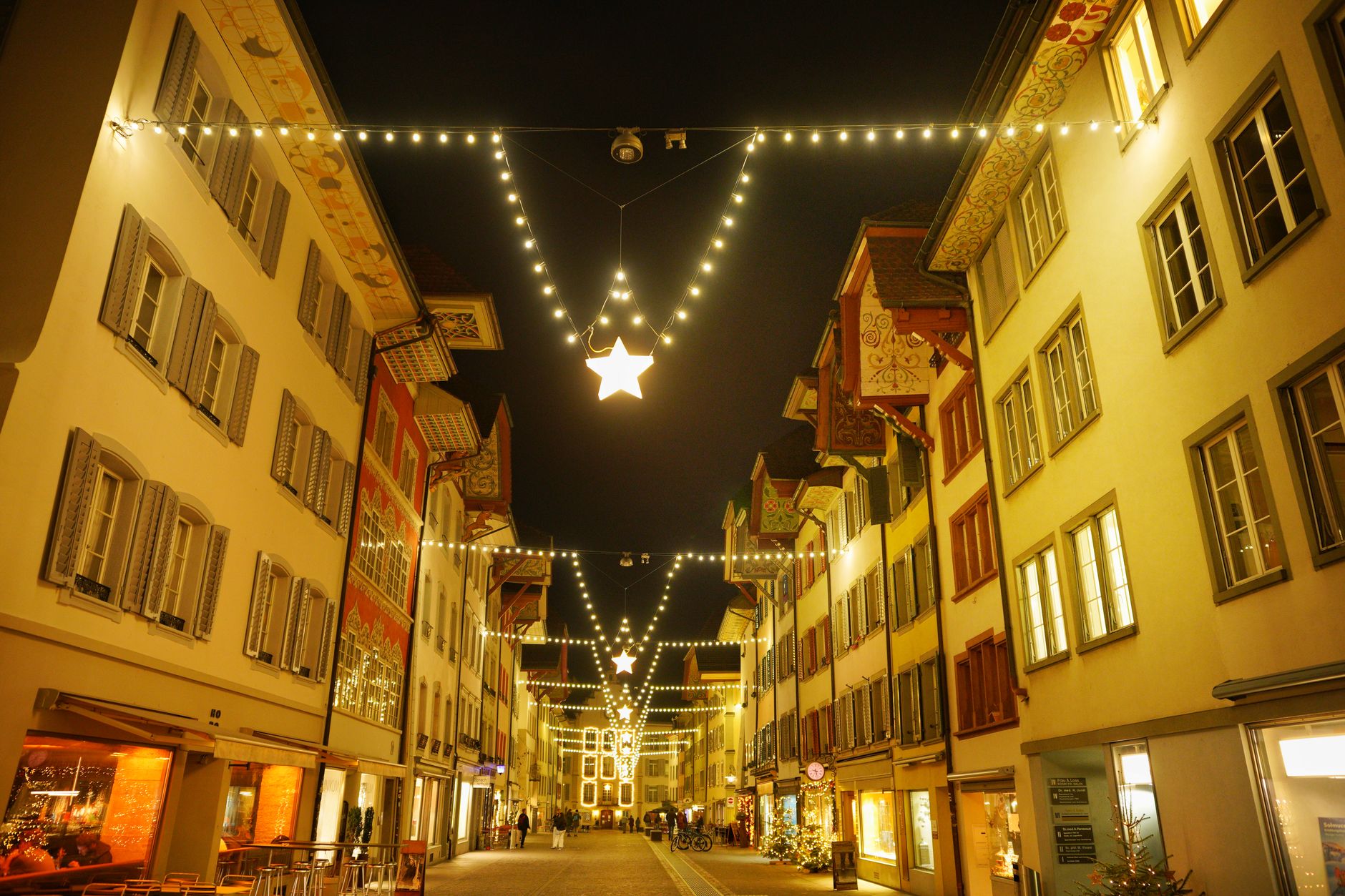
Christmas Lights Switch On Funding: How UK Communities Pay for the Big Night
Securing christmas lights switch on funding is the hardest task most volunteer committees take on, because the invoices land in July while the crowd only turns up in late November. Realistic christmas lights switch on funding for a small market town runs from about £4,000 for a modest scheme to £35,000 for a full high street with an arch, a stage and a road closure. The money almost never arrives from one place. It is stitched together from parish precepts, business sponsorship, community grants, raffle income and the profit from a summer fundraiser. This guide sets out where each pound realistically comes from, what the paperwork looks like, who signs it off, and how to build a committee that can repeat the whole process every year without burning out its three most reliable people.
Pricing the Scheme Before You Ask for a Penny
Price the scheme honestly before approaching a single funder. Costs fall into four buckets: hardware, installation, electricity and event day. Hardware is the one-off shock. A single LED motif for a lamp column costs £180 to £450, while a spanning cross-street feature with fixings runs £1,200 to £3,000 before anyone climbs a ladder.
Installation is the recurring bill committees forget. Contractors with a cherry picker charge roughly £600 to £900 a day, and most high streets need two days to rig and two to de-rig. Electrical testing of each column adds £25 to £45, repeated on a cycle set by the local highway authority.
Event day costs stack fast. Public liability insurance with £10 million cover sits between £250 and £600. A road closure order ranges from £200 to £1,500 depending on the council. Stewarding, staging and a PA system add £800 more. Build a ten per cent contingency into the very first draft budget.
| Cost item | Typical UK range | Notes |
|---|---|---|
| LED lamp column motif | £180 – £450 each | One-off purchase, eight to ten year life |
| Cross-street feature | £1,200 – £3,000 | Needs catenary wires and a structural survey |
| Rig and de-rig labour | £600 – £900 per day | Cherry picker plus two-person crew |
| Column electrical testing | £25 – £45 per column | Approved contractor, repeated periodically |
| Public liability insurance | £250 – £600 | £10 million cover for the event day |
| Road closure order | £200 – £1,500 | Varies widely by highway authority |
A Worked Example for a Thirty-Column High Street
Thirty motifs at £280 each is £8,400 in year one, plus £2,400 for four contractor days and £1,050 for column testing. Add £1,200 of event costs and the first year lands near £13,000. Year two drops to roughly £4,000, because the hardware is already owned outright.
That gap explains why most schemes ask for a large capital grant once, then run on a modest annual budget. Splitting the ask into a launch fund and a running fund makes both far easier to justify, and gives sponsors a smaller, repeatable number they can commit to comfortably each year.
Where the Money Actually Comes From
The steadiest source is the parish or town council precept. A parish covering 2,000 Band D properties can raise about £5,000 by adding £2.50 to the annual charge, which most residents accept for a visible community benefit. Councils can also make grants directly under their general power of competence.
Timing matters more than persuasion. Anyone researching parish council meeting rules uk soon learns that requests must appear on an agenda published three clear working days before the meeting. Precepts are set in January, so a funding bid submitted in October is far more likely to succeed than one raised in March.
Business sponsorship fills the middle. Three tiers work well: £100 for a social media credit, £250 for a named column plaque, and £500 to £1,000 for the cross-street feature and a stage banner. Twenty local traders at an average of £250 delivers £5,000 without touching a single grant form.
Grants cover the capital jump. Lottery community programmes award roughly £300 to £20,000 for small projects, county community chests offer £500 to £2,000, and electricity network operators run their own local funds. Most want match funding, which is why sponsorship income should be banked before the application is written.
Should the Committee Register as a Charity?
Ask early how to set up a charity, because the answer shapes every application. An unincorporated association needs a constitution, three trustees and a bank account, and registers with the Charity Commission once income passes £5,000. A charitable incorporated organisation can register from day one and limits trustee liability.
Charitable status unlocks Gift Aid, worth an extra 25p per eligible £1 donated, plus access to funders who will not pay unregistered groups. It also brings annual reporting duties. Groups raising under £5,000 a year often stay informal and run their money through the parish council instead.
Fundraising Events That Top Up the Pot
Committees that already know how to run a village fete have a head start. Forty stalls at £15 a pitch, a bar, a tombola and a raffle typically clear £2,000 to £4,000 in an afternoon, and the insurance, stewarding and licensing knowledge transfers straight across to the switch-on.
Indoor events carry lower risk and lower cost. Village hall hire cost uk averages £8 to £20 an hour, so a quiz night for eighty people at £5 a head nets around £300 after the room, the prizes and the printing. Run four across the year and the contractor bill is covered.

Recycling schemes are quiet earners. Textile banks pay £300 to £500 per tonne, and volunteers looking into donating clothes to charity uk often route better stock through a partner shop instead. The best charity shops in london demonstrate what disciplined sorting and confident pricing do to margins on identical donated goods.
- Summer fete: £2,000 – £4,000 net from pitches, bar and raffle
- Four quiz nights: around £1,200 net after hall hire and prizes
- Twenty sponsor packages at £250: £5,000
- Parish precept contribution: £3,000 – £5,000
- Bucket collection on the night: £400 – £900
Building a Committee That Lasts More Than One Season
Recruit from people already doing civic work. Residents who have asked how to become a school governor, or looked up neighbourhood watch scheme how to start, are the same ones who will chase three quotes in August. Six active members with defined roles beats a mailing list of forty passive names.
Spread the load by function: treasurer, sponsorship lead, safety officer, stewards coordinator and publicity. Anyone who has been through starting a community garden uk knows the pattern that works — clear ownership, written handover notes, and one shared drive holding risk assessments, quotes and contact lists.
Succession is the real test. Groups recruit best through neighbouring causes, so someone asking how to volunteer at food bank rotas this winter may well steward the switch-on next year. Keep a simple sign-up sheet on the night and follow it up in January, while the goodwill is still fresh.
Check the practicalities long before December. Stewards need briefing sheets and hi-vis, the safety officer needs a written event management plan for the council safety advisory group, and anyone working with children at a grotto needs an appropriate DBS check arranged months in advance.
Spending the Money Well and Proving It Worked
Funders judge you on the second application, not the first. Keep three quotes for anything over £500, minute every spending decision, and publish a one-page account of income and expenditure. Transparent bookkeeping turns one-off christmas lights switch on funding into a permanent line in the parish budget.
Measure impact in numbers funders recognise. Count footfall with clickers, log volunteer hours at a standard hourly rate, and ask traders for takings comparisons. A switch-on drawing 1,800 people and 620 volunteer hours reads far better on a grant form than a paragraph describing a lovely evening.
Bolt on social value while the crowd is there. Many committees run a donation point on the night; understanding community fridge how it works helps you handle fresh surplus safely, while the uk food bank referral process explains why tinned goods must reach a partner agency rather than being handed out directly.
Report back within a month. Send funders photographs, the attendance count and the final accounts, then thank every sponsor publicly by name. Groups that do this routinely see renewal rates above eighty per cent, which removes most of next year’s fundraising work before it has even started.
How Do You Start Chasing Christmas Lights Switch On Funding?
Start eleven months out, in January, with a costed plan rather than an appeal. Get written quotes from two lighting contractors, confirm which lamp columns the highway authority will allow you to use, and price insurance and any road closure. With a real number in hand, approach the parish council before its precept is set, because that decision is usually locked by the end of January. Next, build a sponsorship pack with three tiers and take it to traders in February and March, while their marketing budgets are still open. Grant applications come last, since most funders want to see match funding already secured before they will commit anything.
Is a Road Closure Always Required for a Switch-On Event?
Not always, but it usually is once a crowd gathers on a pavement beside moving traffic. If the event is contained within a car park, a school field or a private forecourt, no closure order is needed, though you still need a written event management plan and trained stewards. For a high street switch-on, the highway authority will normally require a temporary traffic regulation order costing between £200 and £1,500, with six to twelve weeks notice. Apply early, because late applications are the single most common reason a switch-on gets scaled back. The local safety advisory group will also want your plan at least eight weeks ahead of the date.
What Insurance Does a Christmas Lights Committee Need?
Three policies cover almost every scenario. Public liability of at least £5 million, and usually £10 million where a council is involved, costs roughly £250 to £600 for a single event and protects against claims from members of the public. Employers liability is required if you have any paid staff, although pure volunteer groups are normally exempt. Third, insure the lighting stock itself against theft, fire and storm damage, since replacing thirty motifs uninsured would end most schemes overnight. Ask contractors for evidence of their own £10 million cover and copies of their electrical competence certificates before any work starts, and keep both on file with the accounts.