
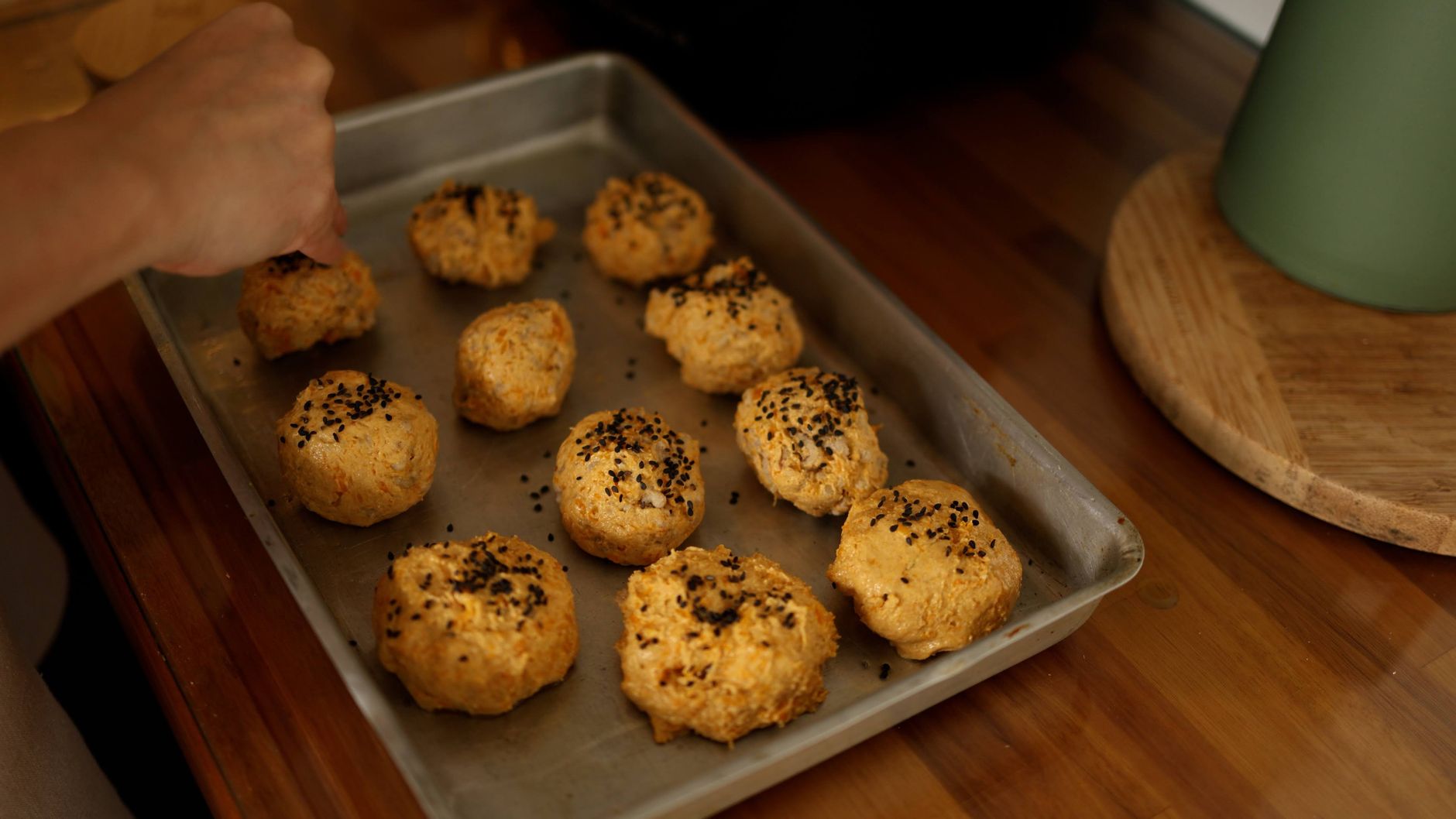
Great British Baking Recipes: Techniques, Costs and Seasonal Bakes
Great British baking recipes have survived two world wars, rationing, the rise of supermarket sliced loaves and the return of the sourdough starter, and they still hold their place on kitchen worktops from Cornwall to Caithness. The reason great British baking recipes endure is simple: they were built around cheap, sturdy ingredients — plain flour, butter, eggs, golden syrup, oats, seasonal fruit — and around ovens that were never especially reliable. That makes them forgiving. A Victoria sandwich tolerates a five-degree swing in oven temperature far better than a French macaron does. This guide sets out the techniques, the real costs in pounds and pence, and the seasonal rhythm that separates a decent bake from one your neighbours ask about at the village hall. Expect specifics: gram weights, tin sizes, oven settings, and the reasons a scone rises tall instead of spreading flat across the tray.
Why Great British Baking Recipes Stay Reliable in Any Kitchen
The backbone of most classic bakes is a ratio rather than a recipe. Equal weights of butter, caster sugar, self-raising flour and egg give you a Victoria sponge, a tray of fairy cakes or a loaf-tin madeira, depending only on the tin you reach for. Learn the ratio and the printed page becomes optional.
Fan ovens run hotter than their dials suggest, so drop 20C from any conventional temperature. A sponge written for 180C bakes at 160C fan, and most domestic ovens sit 10C to 15C off the setting anyway. An oven thermometer costing around 6 to 10 GBP removes that guesswork permanently.
Butter temperature decides texture more than technique does. Creaming needs butter near 20C, soft enough to dent with a thumb. Pastry, rough puff and scones need it straight from the fridge at about 4C so the fat stays in visible flakes. The same block does two opposite jobs.
The Store-Cupboard Five
Traditional british baking recipes lean on a small, cheap set of ingredients. Keep these five stocked and roughly nine bakes in ten come together without a shopping trip, which matters when a cake tin needs filling before a school fete or a Sunday afternoon guest arrives.
- Plain flour, 1.5 kg — pastry, crumble topping, Yorkshire batter and shortbread all start here
- Self-raising flour, 1.5 kg — sponges, scones and rock cakes without separate raising agents
- Salted and unsalted butter, 500 g of each — one for pastry, one for buttercream
- Golden syrup, one 454 g tin — flapjacks, treacle tart, gingerbread and parkin
- Porridge oats, 1 kg — flapjacks, oat biscuits and streusel-style toppings
Add caster sugar, demerara, ground almonds and a jar of decent jam and the list covers nearly every tea-time bake in the British repertoire. None of it spoils quickly, and the whole set typically costs less than a single supermarket celebration cake.
What a Home Bake Actually Costs in GBP
Home baking wins on price when you bake in batches rather than one-offs. A tray of eight scones uses roughly 250 g flour, 60 g butter, 40 g sugar, 150 ml milk and one egg. That is pennies per scone against 2.50 to 3.50 GBP for a single cafe portion with jam and cream.
| Bake | Approximate ingredient cost | Yield | Cost per portion |
|---|---|---|---|
| Plain scones | 1.10 to 1.60 GBP | 8 scones | around 18p |
| Victoria sponge, 20 cm | 2.20 to 3.00 GBP | 10 slices | around 26p |
| Bakewell tart | 3.00 to 4.20 GBP | 8 slices | around 45p |
| Fruit loaf or bara brith | 1.80 to 2.60 GBP | 12 slices | around 18p |
| Flapjacks, tray of 16 | 1.60 to 2.40 GBP | 16 pieces | around 12p |
Equipment is the bigger outlay, and it is where sensible restraint pays. Two 20 cm loose-bottomed sandwich tins, a 2 lb loaf tin, a 23 cm flan tin, digital scales accurate to 1 g and a wire cooling rack cover almost everything. Buy heavy-gauge aluminium rather than thin non-stick, which warps.
Skip the specialist gadgets early on. A silicone spatula, a palette knife and a bench scraper outperform most novelty items, and a 30 cm piping bag with two nozzles handles every finish you need. Prices shift, so compare a supermarket own-brand set against a cookshop brand before committing.
Baking Straight From the Allotment Gate
Seasonal fruit and vegetables change the economics entirely. A ten-rod plot producing rhubarb, gooseberries, apples, blackcurrants and courgettes supplies filling for crumbles, pies and loaf cakes across three-quarters of the year, and the surplus freezes well in 300 g portions sized for a single bake.
Uk allotment gardening and traditional baking evolved together, which is why so many old recipes assume a glut. Forced rhubarb in late winter, gooseberries in early summer, and a wall of cooking apples by autumn all map neatly onto the tarts and puddings in any inherited handwritten notebook.
Anyone new to allotment gardening uk should plant for the oven, not just the plate. Two rhubarb crowns, one Bramley apple on dwarfing rootstock, and a short row of blackcurrants will outproduce a family within four seasons, and site waiting lists move faster than most people expect once they register.
Fitting a Bake Around Dogs, Desks and School Runs
The practical obstacle is rarely skill; it is scheduling. Most classic doughs are happy to wait. Scone dough rests 20 minutes in the fridge, shortcrust improves after 30, and enriched fruit-loaf dough proves slowly for 90 minutes while you do something else entirely.
That dead time is genuinely useful. A first prove lines up neatly with a walk around one of the parks for dog walking near me, and a second prove covers the school pick-up. People searching for dog walking parks near me are often the same people wondering when they will ever find time to bake — the answer is during the proving.
Working from home helps more than people admit, and good home office setup ideas should account for the kitchen timer within earshot. A desk positioned two rooms from the oven, a 90-minute focus block and a phone alarm are enough to run a bake and a working morning at the same time without ruining either.
Regional Bakes and the Places That Made Them
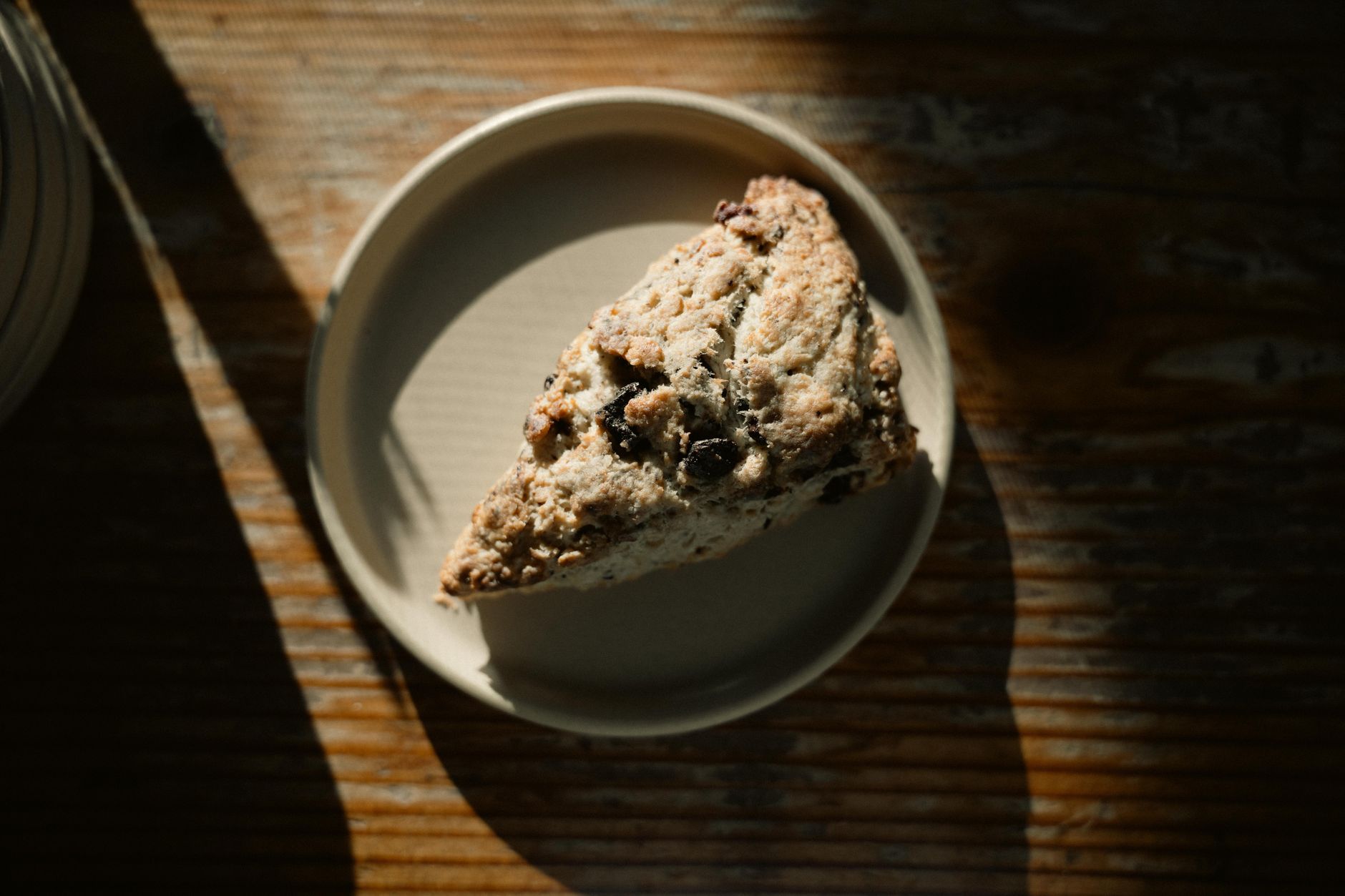
Almost every British bake carries a postcode. Eccles cakes from Salford, Yorkshire parkin built on black treacle and oatmeal, Cornish saffron buns, Welsh cakes cooked on a bakestone, Dundee cake ringed with blanched almonds. Tracing them is a decent reason to look at travel destinations in uk regions you have never visited.
Some of the best uk travel destinations for anyone who bakes are unglamorous market towns rather than headline cities. Melton Mowbray, Bakewell, Grasmere and Bath all sell the original article within a few hundred metres of where it was invented, and comparing the shop version against your own is the fastest way to improve.
Ranking the best travel destinations uk offers for food is subjective, but the pattern holds: a working bakery, a Saturday market and a local ingredient the recipe depends on. Cornish clotted cream, Yorkshire treacle, Jersey butter and Kentish cobnuts all taste different at source, and the difference shows in the finished bake.
Planning a Bake-Led Weekend
Two nights is enough. Pick one town, one bakery and one museum or mill, and build the rest around walking. Shortlisting uk travel destinations by rail connection rather than driving distance keeps costs down, and off-peak returns booked 10 to 12 weeks ahead routinely halve the fare.
If you would rather not plan it yourself, high-street agents sell short domestic breaks alongside the usual Hays travel destinations from uk airports, and package rates on regional hotels frequently undercut direct booking by 15 to 20 GBP a night. Either way, bring a container home — a good pasty or curd tart survives the journey.
How do you stop scones from spreading flat instead of rising?
Flat scones almost always come from three causes: overworked dough, warm fat, or a twisted cutter. Handle the mixture as little as possible once the milk goes in — 20 seconds of gentle folding is plenty, and a slightly shaggy dough bakes taller than a smooth one.
Keep the butter cold at around 4C and rub it in quickly with fingertips, stopping while pea-sized lumps remain. Roll the dough no thinner than 2.5 cm; anything thinner has nowhere to climb. Press the cutter straight down and lift straight up, never rotating it.
Finally, bake hot. A preheated 220C conventional oven, or 200C fan, sets the outside fast so the inside lifts. Glaze the tops only, leaving the sides dry, and space them roughly 2 cm apart so they support each other as they rise for 10 to 12 minutes.
Is a stand mixer worth buying for traditional baking?
For occasional baking, no. A hand-held electric whisk costing 20 to 35 GBP creams butter and sugar, whips cream and makes meringue perfectly well, and it stores in a drawer rather than occupying 30 cm of worktop that most British kitchens cannot spare.
A stand mixer earns its 200 to 500 GBP price when you bake weekly, work with enriched bread doughs, or make large batches for fetes and fundraisers. The dough hook kneading a 1 kg bara brith or tea-loaf mixture hands-free is the genuine advantage, not the whisking.
Consider the middle option too. A sturdy wooden spoon, a large bowl and eight minutes of effort produce an identical sponge to any machine, which is exactly how these recipes were made for generations. Buy the mixer when your baking habit justifies it, not in the hope that it creates one.
What is the easiest traditional bake for a complete beginner?
Flapjacks. Melt 150 g butter with 100 g demerara sugar and three generous tablespoons of golden syrup, stir in 250 g porridge oats, press into a lined 20 cm square tin, and bake at 170C conventional or 150C fan for 22 to 25 minutes.
There is no creaming, no folding and no rise to ruin, and the only real skill is cutting them while still warm but leaving them in the tin to firm up. Underbake slightly for chewy, bake to a deep gold for crisp — both are correct depending on preference.
Move on to rock cakes, then plain scones, then a Victoria sponge, and you will have covered the three core methods behind most great British baking recipes within a fortnight. Add dried fruit, a spoonful of mixed spice or grated apple to any of them once the base method feels automatic.