

Gout Charities UK: How to Find Support, Funding and Local Help
Gout charities UK patients rely on cover ground a rushed appointment never reaches — target urate levels, flare-management plans, and the difference between a painkiller and a long-term urate-lowering drug. Gout affects roughly one in forty British adults, around 1.5 million people, and prevalence keeps climbing alongside an ageing, heavier population. Yet fewer than half of diagnosed patients are taking allopurinol or febuxostat, and many abandon treatment within twelve months because nobody explained that a flare during the first weeks is expected, not proof the tablet failed. Charities fill that explanation gap with helplines, printed guides, moderated forums and funded research. This guide sets out which organisations exist, what they charge, what they genuinely deliver, and how local communities across Britain raise the money that keeps those helplines answering the phone.
What Gout Charities UK Actually Provide
The core offer is information that is accurate, plain and free. Charity leaflets explain that gout is caused by urate crystals, not by one indulgent meal, and that a serum urate target below 300 micromoles per litre dissolves those deposits gradually over months rather than overnight.
Second comes practical backup. Helpline volunteers talk callers through a first attack at two in the morning, explain why a big toe swells so violently, and confirm that continuing urate-lowering therapy through a flare is standard rheumatology practice rather than a dangerous mistake to be corrected.
Third is advocacy. Charities push for gout to be treated as the chronic, controllable disease it is, lobby commissioners to fund nurse-led urate clinics, and publish audits showing how few patients ever reach target. That pressure reshapes local pathways far more reliably than individual complaints.
Helplines, Leaflets and Peer Groups
Most helplines run weekday office hours and are answered by trained volunteers with lived experience. Expect fifteen to twenty minutes of conversation, a follow-up leaflet pack posted free, and a signposting note listing specific questions worth raising at your next GP review.
Peer groups meet monthly in libraries, church halls and community centres, frequently alongside broader arthritis sessions. Twelve to twenty attendees, a guest podiatrist or dietitian each quarter, and a tea rota. The real value is hearing someone describe an identical three-week flare and how they stopped it recurring.
Comparing the Main UK Gout and Arthritis Organisations
No single body owns gout in Britain. Support is split between a small condition-specific society, large arthritis charities with far bigger budgets, and professional organisations that publish the clinical guidelines your rheumatologist follows. Each serves a different need, and most patients end up using two or three.
Budgets vary enormously. A specialist society may operate on volunteer time and printing costs alone, while a national arthritis charity distributes several million pounds annually in research grants. Neither model is better; the smaller one answers gout questions in detail, the larger one funds the science behind the answers.
The table below compares what each type of organisation delivers, roughly what it costs to engage with, and who benefits most. Use it to shortlist before you phone, rather than repeating your history to three different helplines in one afternoon.
| Organisation type | Main service | Typical cost | Best suited to |
|---|---|---|---|
| Specialist gout society | Patient leaflets, diet sheets, urate target guidance | Free | Newly diagnosed patients |
| National arthritis charity | Helpline, local groups, research grants | Free; regular giving from £5 monthly | Long-term peer support |
| Self-management membership charity | Dietitian and exercise sessions, member events | Around £20–£30 per year | Hands-on lifestyle coaching |
| Professional rheumatology body | Published clinical guidelines and audits | Free to read online | Patients who want the evidence |
| Local community hub or Healthwatch | Signposting, transport, benefits advice | Free | Practical day-to-day help |
What Membership, Donations and Treatment Really Cost
Money worries stop people engaging, so the numbers deserve stating plainly. Support from gout charities UK residents can access is overwhelmingly free at the point of use; paid membership buys extras such as dietitian time, not basic advice. Nobody should be priced out of a leaflet or a phone call.
Treatment costs sit separately and are modest by chronic-disease standards. Allopurinol is one of the cheapest drugs in the formulary, and most gout patients on regular medication qualify for a prescription prepayment certificate that caps annual outlay well below the per-item route.
Private routes exist for those facing long waits. A rheumatology consultation typically runs £180–£300, with a private urate blood test around £40–£60. Charities will not recommend a specific clinic, but they will explain which tests are genuinely useful before you spend anything.
- NHS prescription charge: roughly £10 per item, with prepayment certificates around £115 for a full year
- Self-management charity membership: approximately £20–£30 annually
- Regular charitable giving: commonly £5–£10 per month by direct debit
- Sponsored walk or coffee morning entry: usually £15–£25 per participant
- Private rheumatology consultation: £180–£300 for an initial appointment
Local Fundraising: Noticeboards, Sponsored Walks and Community Events
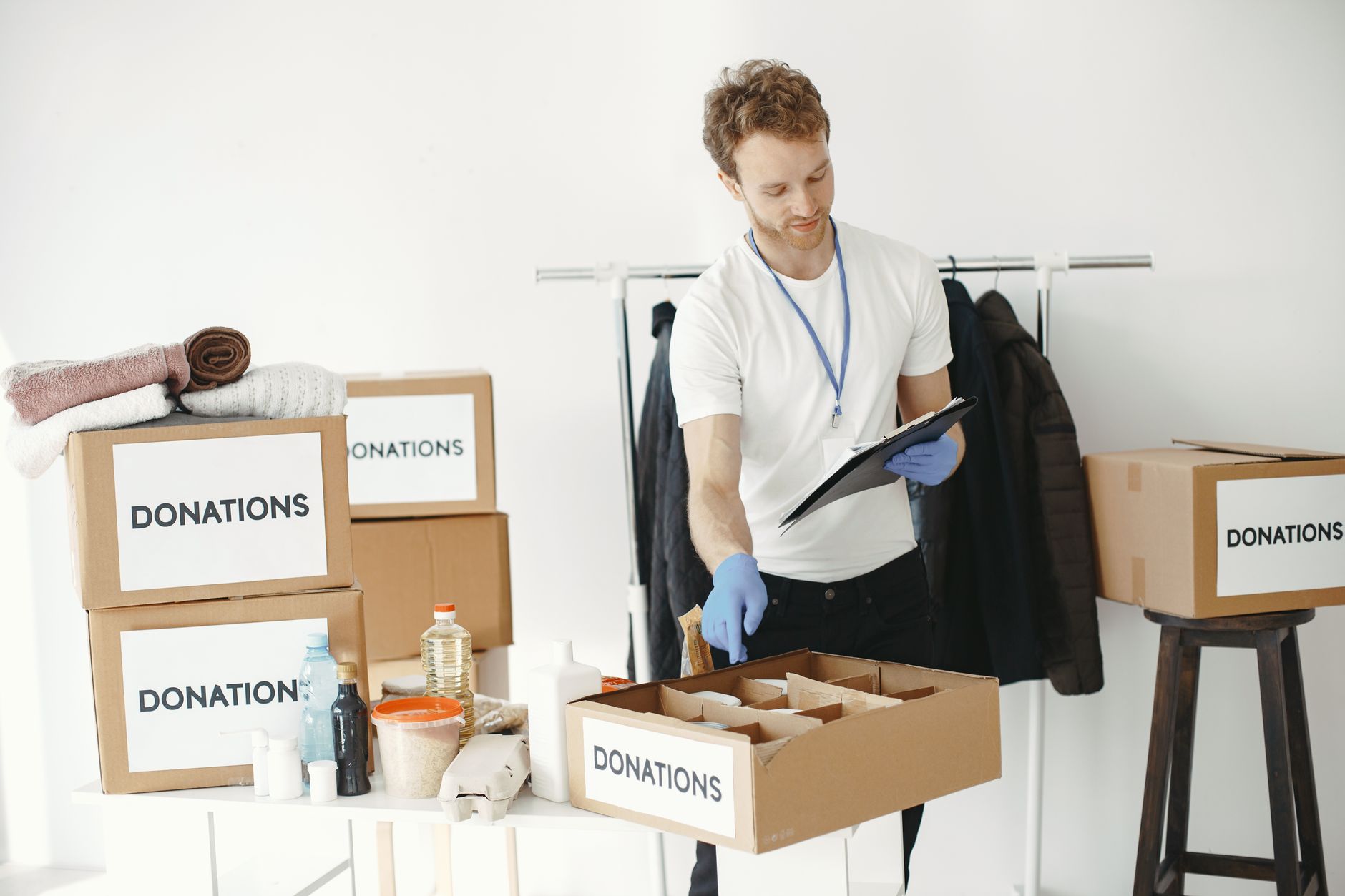
Community fundraising keeps these services running. A parish hall noticeboard in any British town carries a jumble of local life: a car boot sale poster, a plumber’s card, an advert for a french bulldog puppy for sale, and a laminated appeal for the arthritis group’s Christmas raffle, all competing for the same passing glance.
Sponsored walks remain the most reliable earner because they cost almost nothing to stage. Forty walkers raising £30 each generates £1,200 before gift aid, which adds another 25 percent on eligible donations. Dog-friendly routes consistently attract the largest turnout in villages and suburbs alike.
Quiz nights, tombolas and supermarket bag-packing sessions fill the gaps between bigger events. A well-run quiz with eighty attendees at £5 a head, plus a raffle, clears £600 in an evening. Consistency beats ambition; four small events yearly outperform one exhausting gala.
Why Pet Adverts and Charity Appeals Share the Same Noticeboard
Local classified pages are where a community concentrates its attention. Someone searching a listings site for a puppy french bulldog for sale, or typing puppy for sale french bulldog into the same box, is browsing a page that a smart fundraising coordinator has already placed a banner on. Attention, not money, is the scarce resource.
The pattern repeats across breed terms. Traffic from french bulldog puppy for sale uk queries, or a puppy french bulldog for sale uk listing, sits beside searches such as english bulldog puppy for sale near me, puppy bulldog for sale near me, british bulldog puppy for sale near me and american bulldog puppy for sale near me. Charity appeals placed on those pages reach households that never visit a health website.
Turning Charity Advice Into Daily Gout Management
Every reputable charity repeats the same two priorities: reach your urate target and lose surplus weight steadily. Losing five kilograms can drop serum urate meaningfully, and daily walking is the most sustainable way to do it. Dog owners average several thousand extra steps a day without ever calling it exercise.
That explains why gout support groups end up discussing breeds. Flat-faced dogs tire quickly in warm weather, so a french bulldog puppy price uk buyers face — commonly £1,500 to £3,500, more for a blue french bulldog puppy for sale — may buy a companion that cannot manage the four-mile walks your joints actually need. A mini bulldog puppy for sale carries the same limitation.
Diet advice is narrower than folklore suggests. Beer and spirits raise urate sharply, sugary drinks containing fructose do the same, and offal and shellfish are worth limiting. Two litres of water daily, plus consistent medication, achieves more than eliminating tomatoes or strawberries ever will.
How Do I Find Gout Charities UK Support Near Me?
Start with the national helplines, because they hold the directory of local groups and can tell you within one call whether a session meets near you. Give them your postcode and they will name the nearest three, including any nurse-led clinic.
If nothing runs locally, ask your GP practice manager about the social prescribing link worker. Most practices now have one, and they hold lists of community walking groups, weight-management schemes and transport volunteers that never appear on charity websites.
Failing both, community noticeboards and local online forums are worth a post. Gout is common enough that a single message in a town group usually surfaces several people managing it, and small peer groups often start exactly that way.
Is Joining a Paid Charity Membership Worth the Fee?
For most newly diagnosed people, no. The free leaflets, helplines and guideline summaries answer the questions that matter in the first year: what urate target to aim for, why flares happen during treatment, and which drugs to discuss with your GP.
Membership earns its £20 to £30 when you need structured lifestyle help. Access to dietitian-led sessions, exercise programmes and member webinars costs far less than equivalent private appointments, which start around £60 per hour for a registered dietitian.
Consider it also as a donation with benefits attached. Membership income is predictable, which lets charities staff helplines and commit to multi-year research grants. If you can afford the fee comfortably, the contribution matters more than the perks you use.
What Do Gout Charities Fund With Public Donations?
Roughly three streams absorb the money. Research grants are the largest for big arthritis charities, funding work on urate transport, cardiovascular risk in gout, and why adherence to allopurinol collapses so quickly after diagnosis in primary care.
Services take the second share: helpline staffing, freephone costs, leaflet printing and postage, plus training and expenses for volunteers running local groups. These are unglamorous line items that fundraising appeals rarely mention, yet they deliver the daily contact patients value most.
The remainder covers campaigning and governance. That includes producing audits of local prescribing performance, responding to NICE and NHS consultations, and meeting Charity Commission reporting duties. Published annual accounts break the split down precisely, and checking them before donating takes about five minutes.