
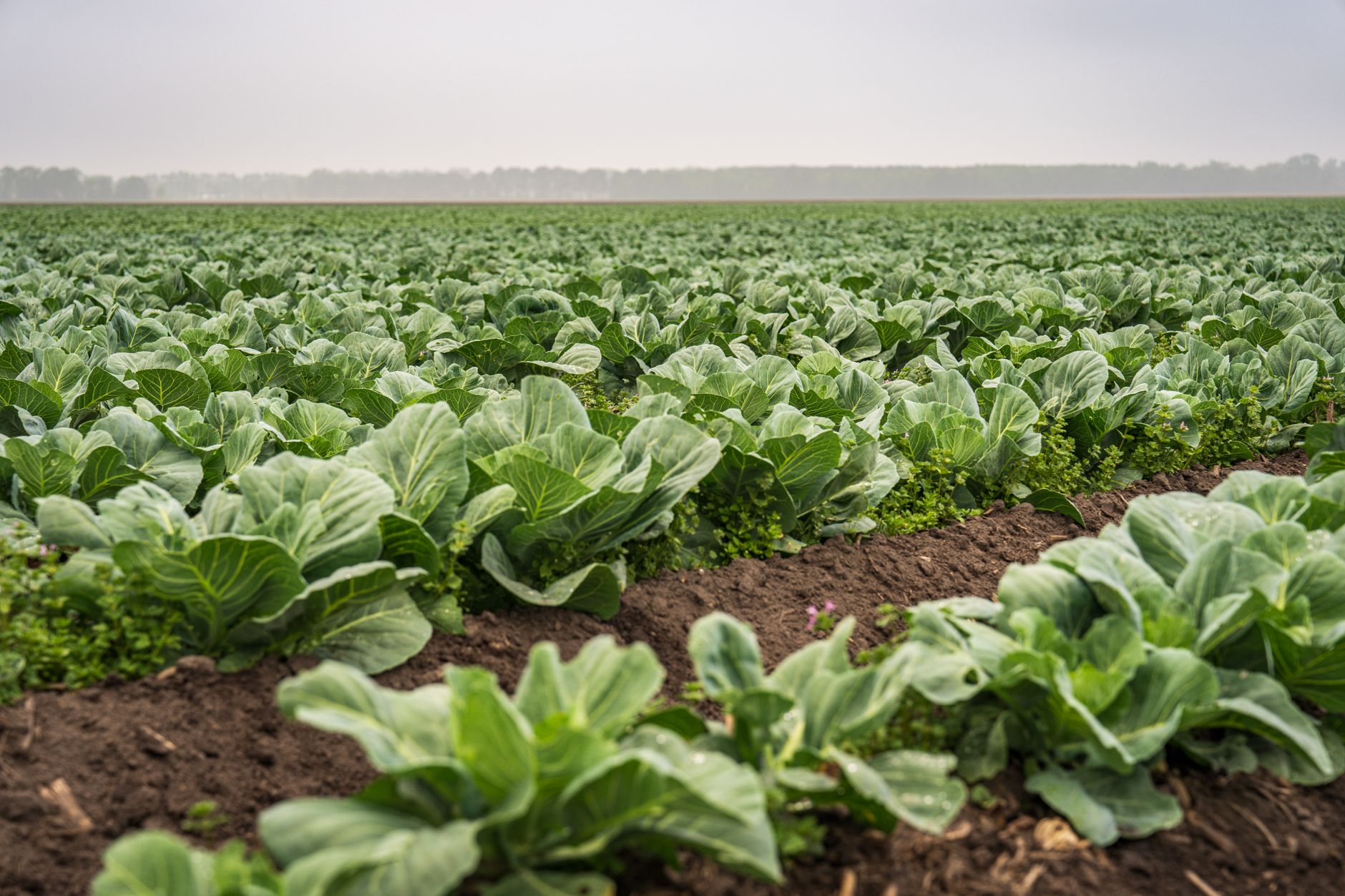
Allotments for Beginners UK: How to Get a Plot and Grow Food in Your First Year
Taking on a council plot is still one of the cheapest ways to grow serious quantities of food, and any guide to allotments for beginners UK gardeners can actually use has to start with the unglamorous parts: waiting lists, soil condition and time. Most councils charge between £25 and £90 a year for a standard ten-rod plot of roughly 250 square metres, which is less than a family of four spends on supermarket vegetables in a single month. The catch is that a full plot demands four to six hours a week from March through September. Half plots and five-rod starter plots have become the default offer in cities such as Bristol, Sheffield and Nottingham precisely because so many first-year tenants give up. Understanding exactly what you sign for — plot size, tenancy conditions, water access and cultivation deadlines — decides whether year one ends with a harvest or a surrender letter.
What an Allotment Actually Costs in Your First Year
Council rent is the smallest line on the budget. A ten-rod plot in Manchester or Leeds sits near £45 a year, with concessions of 50 per cent for pensioners and benefit claimants on most sites. Parish and private sites charge more, occasionally £120, but frequently include mains water, a shared shredder and a trading hut selling compost below garden centre retail.
Setup is where the money goes. Budget £250 to £400 for a genuinely usable first season: spade, digging fork, draw hoe, watering can, netting, canes, seed potatoes and enough well-rotted manure to change the soil. Buying second-hand from site noticeboards and local Facebook groups typically halves that figure, and old carbon-steel spades outperform most £20 stainless imports.
Against those costs, a well-run ten-rod plot returns roughly £500 to £900 of produce each year once established, mostly potatoes, onions, squash, beans and soft fruit. Year one rarely reaches that figure. Expect around a third, because half the growing season disappears into clearing couch grass, bindweed and brambles rather than sowing anything.
| Item | Typical cost | Notes |
|---|---|---|
| Annual rent, ten rods | £25 to £90 | Concessions of 50 per cent are common |
| Key and deposit | £10 to £30 | Refunded when you leave the plot tidy |
| Core tool kit | £80 to £150 | Spade, fork, hoe, rake, can, secateurs |
| Seeds and seed potatoes | £40 to £70 | Cheaper via site trading huts |
| Manure, compost, netting | £50 to £120 | Free manure from local stables is common |
| Water butt and storage | £30 to £60 | Second-hand IBC tanks cost far less |
Joining a Waiting List and Picking the Right Plot
Councils in England and Wales carry a statutory duty to provide plots where six or more registered electors demand them. The first practical move for allotments for beginners UK wide is to apply to every site within a twenty-minute journey, not just the nearest one. Waits range from three months in rural Lincolnshire to seven years in parts of London.
When you view a vacancy, check four things before accepting: distance from the water trough, whether the plot floods at the low end, how much perennial weed is present, and how overgrown the neighbouring plots are. A plot at the end of a 90-metre hose run will quietly cost you an hour every watering trip through July and August.
Tenancy agreements matter more than beginners expect. Most councils ban bonfires outside set winter months, cap sheds at roughly 6ft by 4ft, prohibit subletting, and require 60 to 75 per cent of the plot under cultivation by the first inspection. Dogs are usually permitted on a lead only, which is why many tenants search dog walking parks near me for the actual walk.
Half Plot or Full Plot for a First Season?
Take the half plot. Five rods, about 125 square metres, still produces enough potatoes, onions and beans for two adults across a winter, and it can be cleared properly in one spring rather than three. Sites almost always let a proven tenant upgrade to a full plot when one falls vacant nearby, usually within two seasons.
Clearing a Neglected Plot Without Burning Out
Divide the plot into quarters and commit to one at a time. Strim the growth to ankle height, remove the debris, then either dig out perennial roots by fork or exclude light with cardboard topped by 15 centimetres of compost. Bindweed and couch grass regrow from fragments, so rotavating an untouched plot multiplies the problem rather than solving it.
Light exclusion is the low-effort route. Heavy black polythene or thick cardboard left in place from October to April kills most annual weeds and weakens couch grass considerably. Roll it back a quarter at a time in spring, fork through what survives, and plant potatoes into the cleared ground because their foliage suppresses whatever regrows underneath.
Soil deserves a proper look before you spend on fertiliser. A £10 pH kit tells you whether brassicas will struggle; most uk allotment gardening sites sit between pH 6.0 and 7.0, which suits nearly everything. Two barrows of rotted manure per bed each autumn does more for yield than any bagged feed sold at £8 per box.
What to Grow in Year One
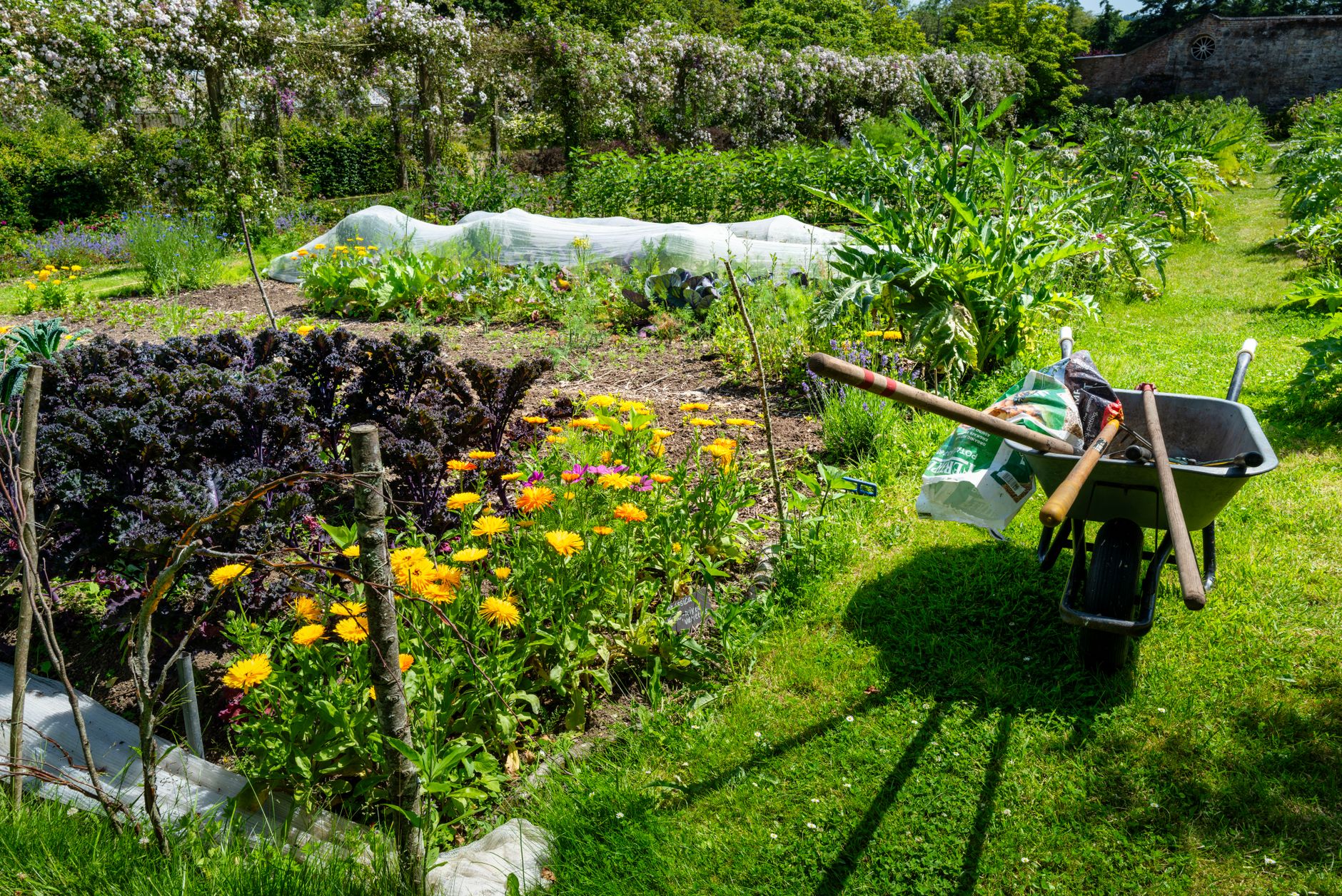
Choose crops that tolerate neglect and reward volume. First-year plots fail when someone attempts celery, cauliflower and melons simultaneously. Six reliable crops fill a half plot, feed a household properly, and teach you the timing of your particular site far better than a seed catalogue ordered in optimistic January.
- Maincrop potatoes such as Cara or Sarpo Mira: 3kg of seed yields 30kg to 45kg and clears ground while it grows
- Onion and shallot sets planted in March: roughly 200 bulbs from two £4 nets
- Runner and French beans: one 3-metre wigwam crops from July until the first frost
- Courgettes: three plants supply a family, and a fourth becomes an unwanted marrow farm
- Squash and pumpkins: sprawling, weed-smothering, and storing until February in a cool shed
- Chard, kale and leeks: standing through winter when the rest of the plot is bare
Space crops on a four-bed rotation from the start: potatoes, then legumes, then brassicas, then roots and onions. Rotation costs nothing, keeps club root and eelworm down, and turns allotment gardening uk plots into predictable producers rather than annual experiments. Write the plan on a shed wall so next spring does not begin from memory.
Plant perennials in the first autumn, because they take two years to earn their keep. Rhubarb crowns at £6, blackcurrant bushes at £8 and a dozen raspberry canes repay you for a decade. A June glut is exactly why so many great british baking recipes begin with a crumble, a fool or a jar of jam that costs pennies to make.
Time, Tools and Fitting the Plot Around Real Life
A full plot needs four to six hours weekly between March and September, plus roughly an hour a fortnight through winter. People who plan the week the way they plan home office setup ideas — fixed slots, zoned space, tools stored where they are actually used — last far longer than those who visit only when the weather and the mood align.
The plot does not pause for holidays. If you spend July browsing the best uk travel destinations, arrange watering cover before booking anything. Tomatoes under plot glass can die in four dry days, courgettes become marrows inside a week, and runner beans stop setting flowers entirely once they dry out at the root.
Swap cover with a neighbouring tenant: you water their plot while they visit the best travel destinations uk offers along the Cornish and Northumbrian coasts, and they return the favour in August. Tenants booking packages through Hays Travel destinations from UK airports usually need a full fortnight covered, so agree the arrangement in April rather than the night before departure.
Building a Routine That Survives August
Runner beans, courgettes and salad leaves need picking every two or three days in high summer, so schedule short visits instead of heroic weekend marathons. Plenty of tenants attach the plot to an evening loop of the parks for dog walking near me route, arriving with twenty minutes to water, pick and leave.
How Long Does It Take to Get an Allotment in the UK?
Waiting times vary enormously by location. Rural and small-town sites in Lincolnshire, Cumbria and parts of Wales often have plots available within three to six months, and some parish councils hold vacancies year-round. Urban demand is a different picture: waits of two to four years are normal across Bristol, Brighton and much of Greater London, with a handful of inner-London sites quoting seven years or more. Applying to four or five sites at once shortens the wait dramatically, since most councils run separate lists per site rather than one central queue. Ask each site secretary how many people sit ahead of you and how many plots turned over last year — that ratio predicts your wait far better than the published list length. Half plots and newly subdivided plots come up fastest, and accepting one in autumn gives you a full winter to clear it.
Is an Allotment Worth It for a Complete Beginner?
For most households, yes, provided the time is genuinely available. The financial case is solid: £45 rent and around £150 of annual consumables against £500 to £900 of produce once the plot is established, plus fruit that would cost £4 a punnet in a supermarket. The honest trade-off is summer weekends. A plot competes directly with short breaks to travel destinations in uk national parks, and the busiest gardening months are exactly when travel destinations uk residents favour are at their peak. Anyone who already cooks seriously — especially traditional british baking recipes that absorb rhubarb, apples and blackberries by the kilo — extracts far more value than someone who grows food and then lets it rot in the fridge. Advice on allotments for beginners UK councils publish tends to understate one benefit: the site community itself, where surplus seedlings, tools and thirty years of local knowledge circulate freely.
What Should a Beginner Plant in the First Allotment Year?
Start with potatoes, onion sets, runner beans, courgettes, squash and kale. Those six crops tolerate imperfect soil, suppress weeds through sheer leaf cover, and produce measurable weight rather than a token handful. Three kilograms of maincrop seed potatoes typically return 30 to 45 kilograms, which alone justifies the rent. Add a row of rhubarb crowns and half a dozen soft fruit bushes in the first autumn so they crop properly by year three. Avoid cauliflower, celery, aubergines and anything needing heated propagation until you know your site frost dates and water pressure. Sow salad, radish and spring onions in short successional rows every three weeks between April and August rather than in one enthusiastic March session, which otherwise produces a single overwhelming glut followed by four empty months of bare soil.