
British Culture and Traditions: Symbols, Rituals and the National Dog
British culture and traditions are easiest to read at street level: the queue outside a bakery at 7am, the pub quiz on a Tuesday, the bunting that appears within hours of a royal announcement. Anyone studying british culture and traditions quickly discovers that this country stores its identity in habits rather than monuments, and in animals as much as in architecture. The bulldog sits near the centre of that story, printed on wartime posters, carved above pub doors and still waddling through village fetes with a rolling gait that locals recognise instantly. Roughly 13 million UK households now keep a dog, and the bulldog family — English, British, American and the compact French variety — accounts for a striking share of that figure. This guide looks at the customs that endure, the symbols that carry them, and how a working-class emblem became one of the most sought-after companions in Britain.
What Still Defines British Culture and Traditions Today
Tea remains the obvious marker, with the UK drinking close to 100 million cups a day, though the ritual matters far more than the leaf. The deeper pattern is scheduling: Sunday roast at one o clock, bin day on Thursday, the FA Cup final in May. Life is organised by repeated appointments rather than grand declarations.
Regional variation does the rest of the work. Cornwall and Devon still argue over whether jam or cream goes first. Yorkshire treats the pudding as a separate course. Northern Ireland keeps its own bank holidays. A visitor who assumes one national template will misread half the country within a fortnight of landing.
Class, weather and humour bind these threads together. Self-deprecation works as social lubricant, complaining about rain functions as a greeting, and understatement is the default register. These habits explain why british culture and traditions translate poorly in a textbook yet feel immediately legible the moment you stand in a queue.
The Rituals That Survive the Calendar
Bonfire Night on 5 November, pancake races in February, a £2 poppy on Remembrance Sunday, morris dancing outside a Cotswold pub in May. Each ritual survives because it is cheap, local and repeatable — three qualities that outlast fashion far more reliably than state ceremony, which needs budgets, permission and a broadcast slot.
The Bulldog as a National Emblem
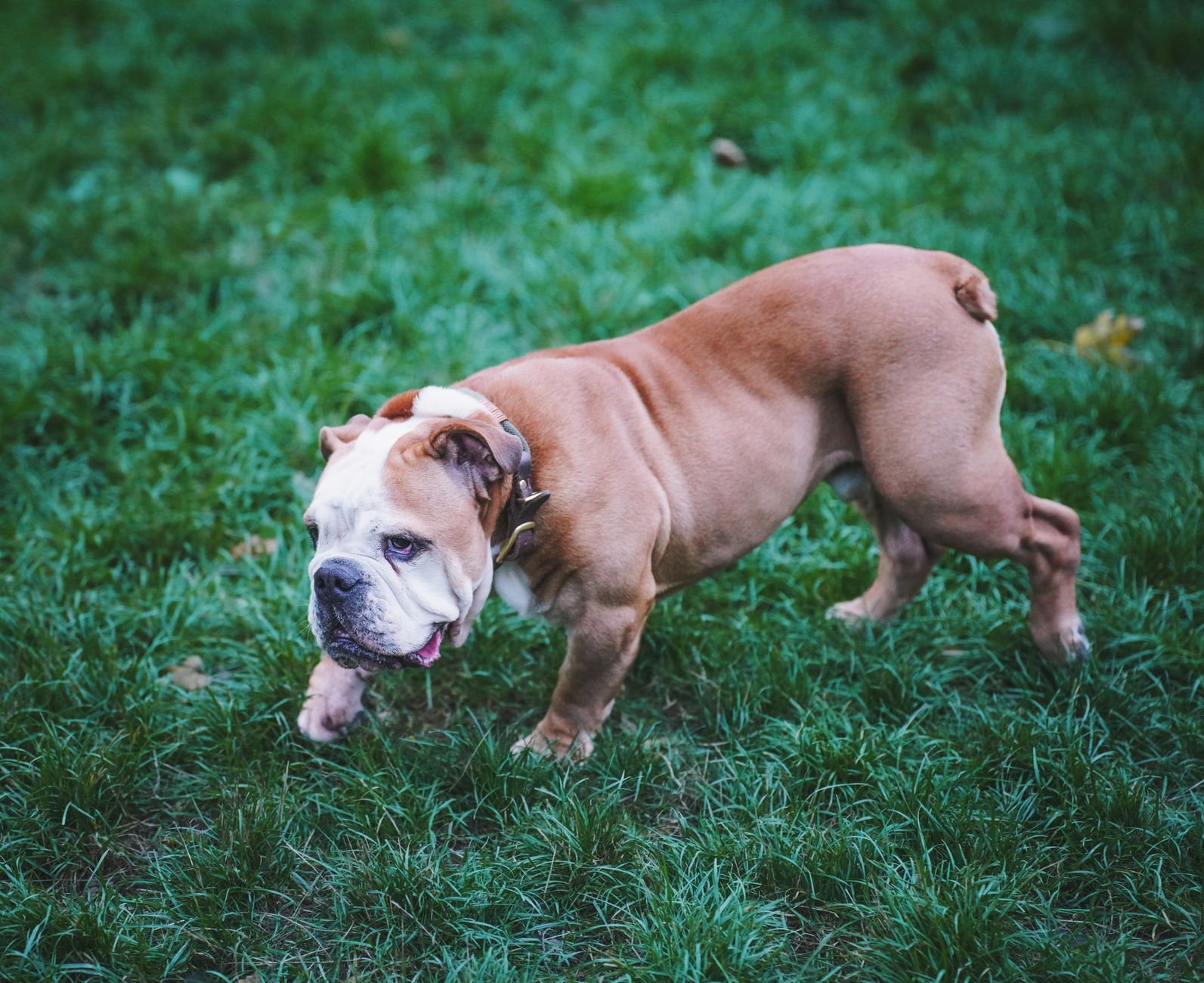
The bulldog entered national symbolism through bull-baiting, a practice outlawed by the Cruelty to Animals Act of 1835. Breeders then redirected the dog towards companionship, softening the temperament across roughly sixty years of selective work. By the 1900s the barrel chest and undershot jaw signalled stubbornness, endurance and a refusal to yield ground.
Wartime cartoonists fixed the association permanently. Churchill was drawn with jowls, and recruitment posters used the dog where a lion would have felt too imperial and too distant. That shorthand still sells rugby shirts, ale labels and pub signs, which is why a search for a british bulldog puppy for sale near me carries more sentiment than most breed queries typed in Britain.
The living animal is gentler than the emblem suggests. A modern English bulldog weighs 22 to 25kg, sleeps 14 hours a day and produces a snore audible through a closed door. Anyone entering english bulldog puppy for sale near me into a search bar is buying a heater with opinions, not a guard dog.
From Bull Ring to Family Sofa
Temperament changed faster than appearance. Today the breed is famous for tolerance around toddlers and for a stubborn streak that defeats most training schedules. Expect a lifespan of eight to ten years, annual vet bills above the national average, and a dog that treats stairs as an optional feature of the house.
Companion Dogs and the Modern British Home
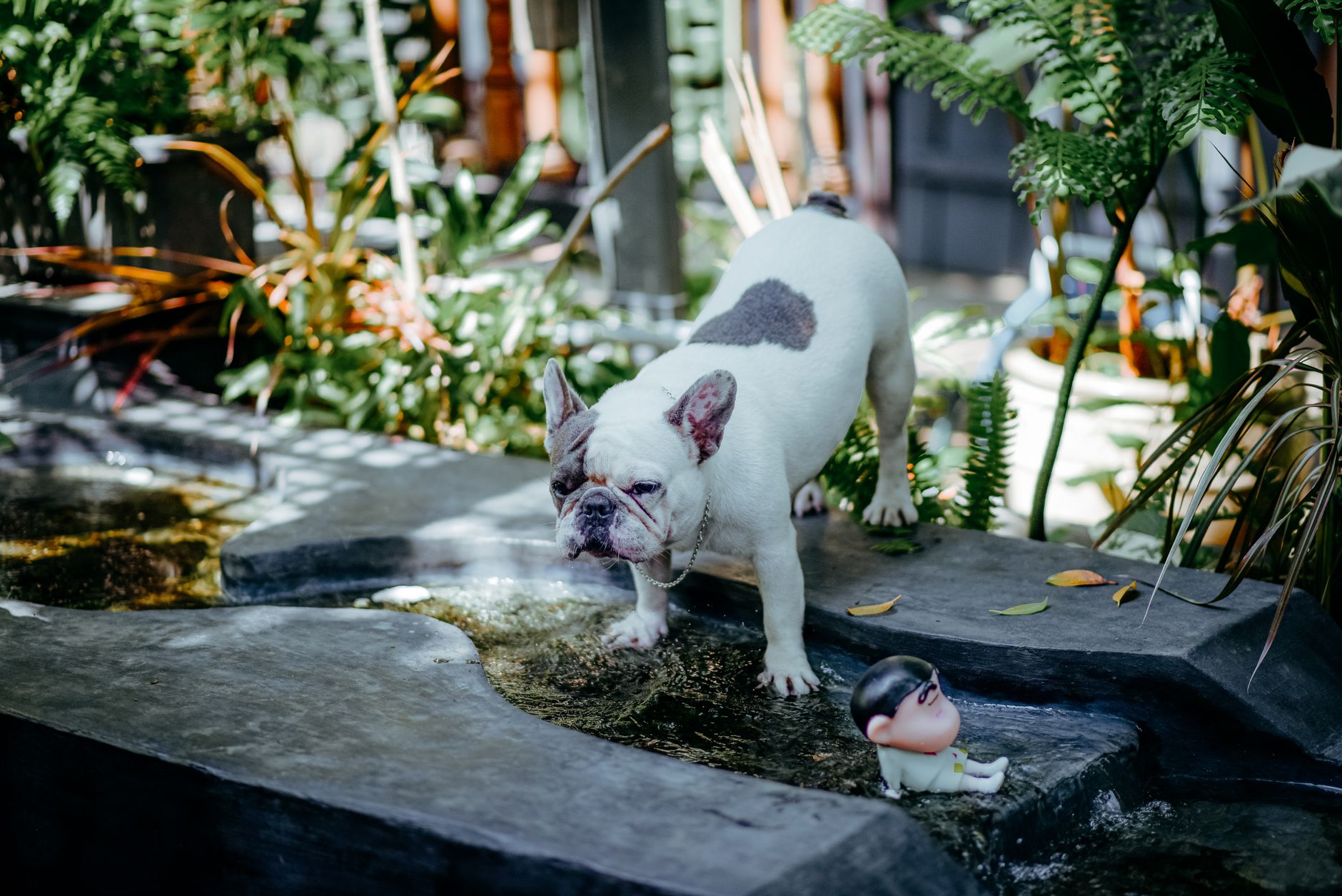
Housing reshaped the British dog. Flats in Manchester, terraces in Bristol and shared gardens in London reward a small, quiet, low-mileage animal. The French bulldog, at 8 to 13kg and content with two 20-minute walks, fits that brief precisely, which is why a single puppy french bulldog for sale advert can draw forty enquiries over one weekend.
Search behaviour follows a predictable ladder. Buyers begin broadly with french bulldog puppy for sale, narrow to french bulldog puppy for sale uk once import worries surface, then refine again to puppy french bulldog for sale uk when they want a breeder within a two-hour drive. Even the scrambled phrasing puppy for sale french bulldog lands on the same shortlist of licensed kennels.
Dog ownership also underpins community life in a way few other habits manage. The park at 8am is a functioning social network, complete with first-name recognition, informal childcare and gossip exchange. Village WhatsApp groups fill with lost-dog alerts within minutes, and neighbours who share nothing else share a route.
That is the quiet continuity between an eighteenth-century market square and a modern housing estate. The animal changed, the streets changed, but the pattern of gathering around a shared creature and a shared complaint about the weather did not.
What a Bulldog Puppy Actually Costs in Britain
Money separates romance from reality. The typical french bulldog puppy price uk sits between £1,500 and £3,000 from a licensed breeder, while a blue french bulldog puppy for sale is often advertised at £3,000 to £5,000 because the dilute coat falls outside Kennel Club standards. Rarity of colour should never outrank evidence of health testing.
| Breed | Typical UK price | Adult weight | Key consideration |
|---|---|---|---|
| French Bulldog (standard) | £1,500–£3,000 | 8–13 kg | BOAS breathing screening essential |
| Blue French Bulldog | £3,000–£5,000 | 8–13 kg | Colour not recognised by the Kennel Club |
| English / British Bulldog | £2,000–£3,500 | 22–25 kg | Higher lifetime veterinary costs |
| Mini Bulldog (crossbreed) | £1,200–£2,000 | 12–18 kg | Unregistered cross, variable size |
| American Bulldog | £1,000–£2,000 | 30–45 kg | Needs space, structure and daily work |
Running costs matter more than the purchase price. Insurance for a flat-faced breed runs £35 to £70 a month, food adds £30 to £50, and the first-year vaccination and neutering package rarely comes in under £400. A mini bulldog puppy for sale listed at £700 with no paperwork usually means an unlicensed litter, not a bargain.
Lucy’s Law, in force across England since April 2020, bans third-party puppy sales and requires buyers to see the puppy with its mother. Ask for the breeder licence number, the microchip record and written health results. Any seller who suggests a motorway service station handover has already told you everything you need to know.
Buying Locally: Fetes, Breed Clubs and the Near-Me Economy
Geography still shapes which dog people want. Rural counties with farming heritage produce steady demand for the working type, and an american bulldog puppy for sale near me query in Lincolnshire or Devon usually comes from someone with land, not a lounge. Urban buyers want the opposite: small, portable and lift-friendly.
Seasonality is equally sharp. Searches for a puppy bulldog for sale near me peak in early January and again in July, when school holidays give families a fortnight to manage house-training. Reputable breeders resist that rhythm, keep waiting lists of six to nine months, and interview buyers before they quote a price.
The old institutions still do the vetting. County shows, regional breed clubs and Crufts at the Birmingham NEC — four days and more than 20,000 dogs each March — remain the places where health testing is discussed openly. Buying through those channels is itself a British tradition: slow, sceptical, and built on somebody vouching for somebody else.
How Did British Customs Turn the Bulldog Into a National Symbol?
The transformation was gradual and largely accidental. After bull-baiting was outlawed in 1835 the breed had no purpose, and it survived only because working-class owners kept it as a household companion. Victorian illustrators then borrowed the silhouette as a caricature of national character, and two world wars cemented the meaning: squat, unglamorous, immovable. The lion belonged to empire and heraldry, while the bulldog belonged to the street, the pub and the factory gate. That class association is exactly why it stuck. Symbols survive in Britain when ordinary people can claim them, and the bulldog was claimed from below rather than granted from above.
Is a French Bulldog a Realistic Choice for a Small British Home?
For most flats and terraces, yes, with clear conditions attached. The breed needs only 40 minutes of daily exercise, tolerates being left for short periods better than a spaniel, and rarely barks at neighbours through thin walls. The complications are medical rather than practical. Brachycephalic obstructive airway syndrome affects a substantial share of the population, heat above 22°C becomes genuinely dangerous, and insurance premiums reflect both. Budget realistically for £1,200 to £1,800 a year across insurance, food and routine care, and choose a breeder who screens for airway and spinal problems. A cheap puppy almost always becomes an expensive adult.
What Should You Check Before Buying Any Bulldog Puppy in the UK?
Work through five checks before any money moves. First, see the puppy with its mother in the home where it was born, as Lucy’s Law requires. Second, ask for the breeder’s local authority licence number and verify it with the council. Third, request written health test results, including BOAS grading for flat-faced breeds and hip scoring for American bulldogs. Fourth, confirm the microchip is registered to the breeder and will be transferred to you. Fifth, expect the breeder to question you closely about your home, hours and garden. A seller who asks nothing is selling stock, not placing a dog.