
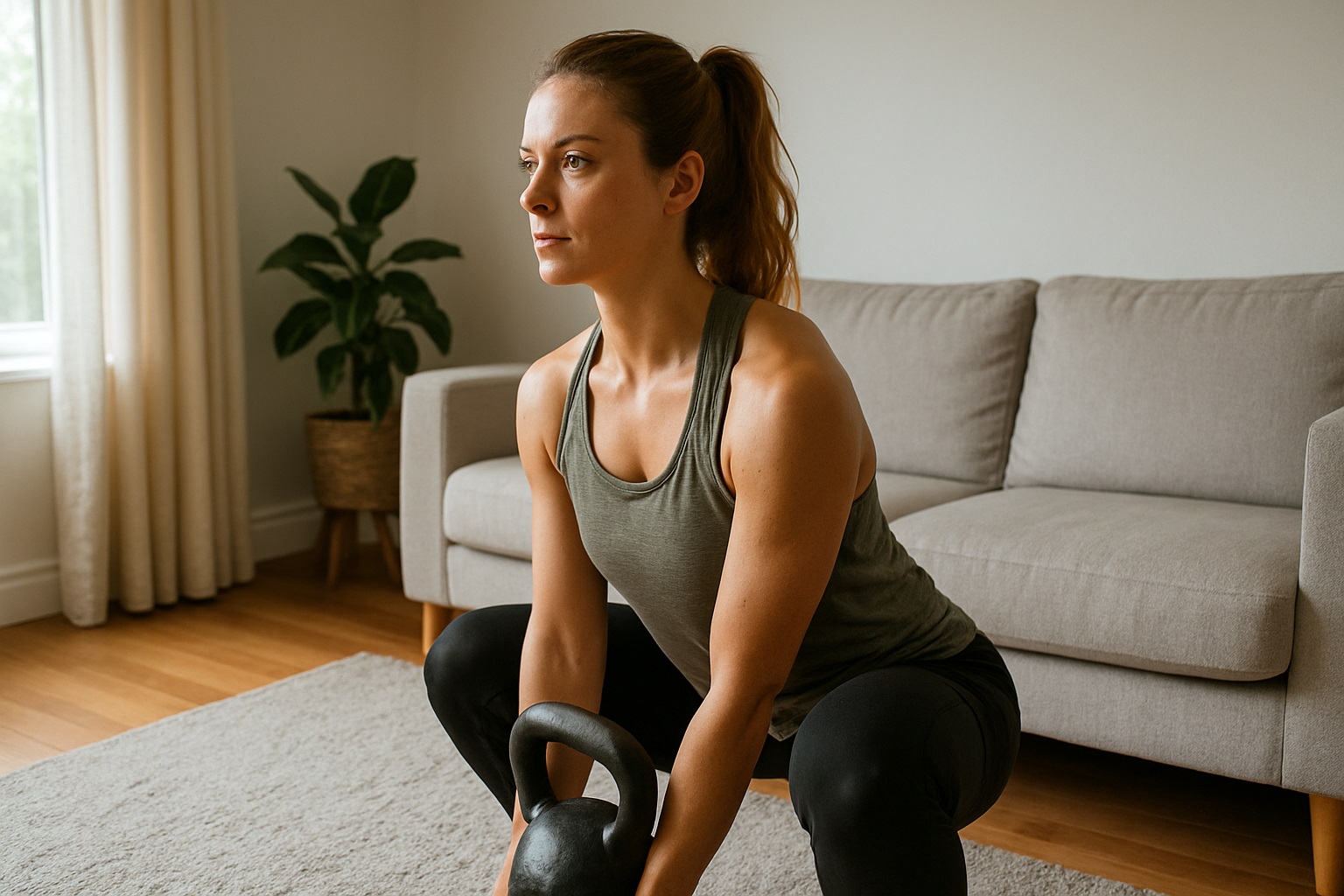
Movement with purpose
In recent years, the fitness world has shifted focus from aesthetic goals to practical strength — and at the heart of this shift lies functional fitness. This form of training emphasizes exercises that mimic everyday movements, improving coordination, balance, flexibility, and strength in ways that translate directly to real-life tasks. Whether you’re lifting groceries, climbing stairs, or playing with your kids, functional fitness helps you move better, reduce injury risk, and build a body that supports your lifestyle — not just your image.
How it works and why it matters
Unlike isolated exercises that target a single muscle, functional fitness relies on compound movements involving multiple joints and muscle groups. These exercises enhance kinetic chains — how muscles work together — improving efficiency and body awareness. Examples include:
- Squats (mimicking sitting or lifting)
- Lunges (supporting stability while walking or bending)
- Push-ups (enhancing upper-body strength and posture)
- Deadlifts (preparing you for safe lifting in daily life)
- Rotational movements (improving core control and balance)
These moves often use body weight, resistance bands, kettlebells, or medicine balls, offering both accessibility and variety.
Benefits beyond the gym
Functional training doesn’t just improve how you perform in workouts — it improves how you feel and move in everyday life. Among its key benefits:
- Injury prevention: Strengthens joints, improves alignment, and increases mobility
- Improved posture: Reinforces correct movement patterns and spinal support
- Increased endurance: Prepares the body for long-term movement without fatigue
- Better balance and coordination: Crucial as we age or recover from injury
- Mental engagement: Requires focus and body awareness, promoting mindfulness during exercise
This type of training supports healthy aging and is ideal for people of all fitness levels, including beginners and seniors.
Making it part of your routine
You don’t need a fancy gym to practice functional fitness. A few exercises, a small space, and consistency are all that’s required. Start with a warm-up to activate muscles, then focus on 4–6 compound movements in a 20–30-minute circuit, 2–3 times a week. As your strength improves, increase intensity with weights or instability tools (like balance boards). Most importantly, pay attention to form — proper alignment and controlled movement are the foundation of functional success.