
Befriending Services for Elderly UK: A Practical Guide for Local Groups
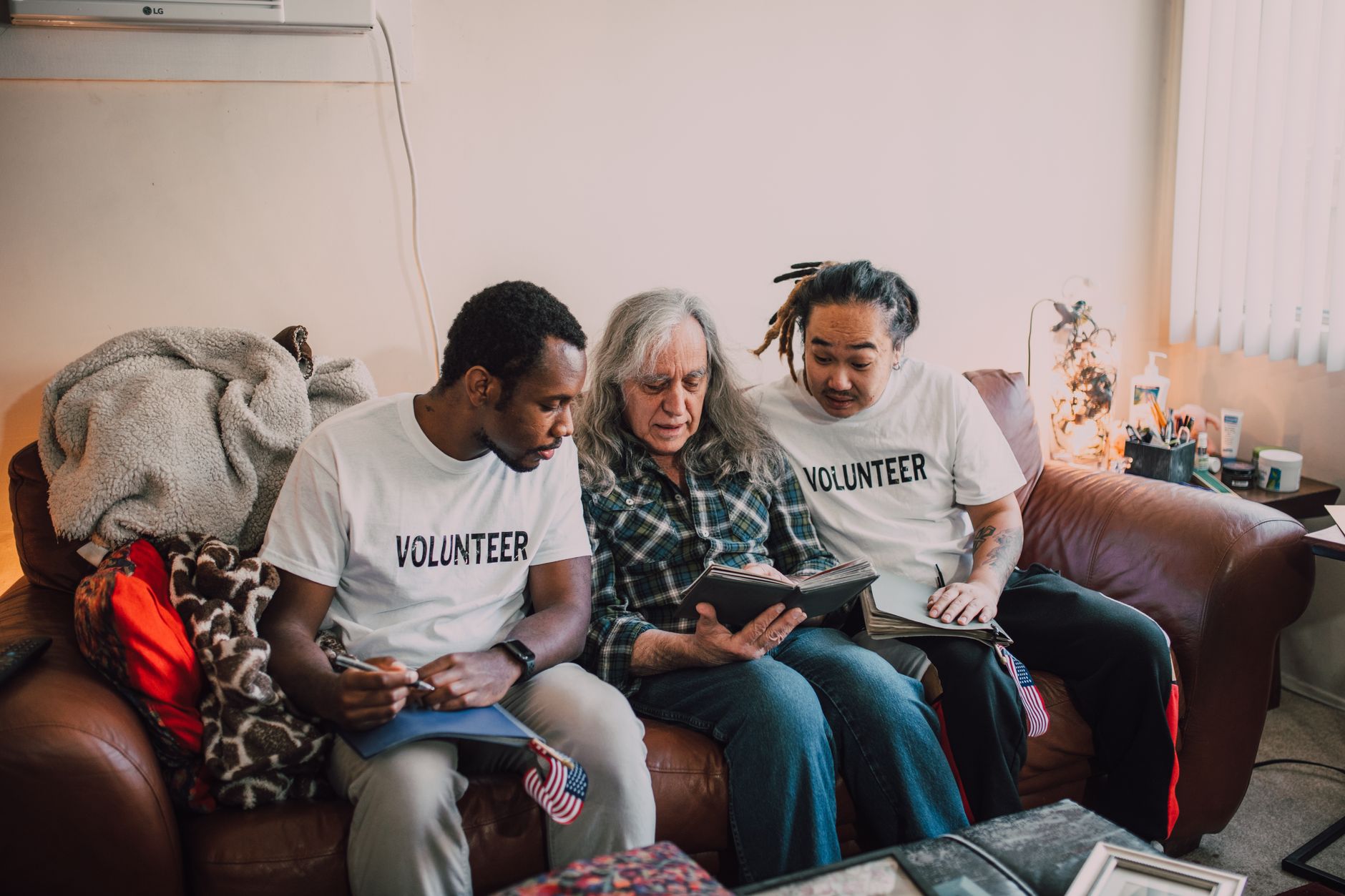
Befriending services for elderly UK residents pair a vetted volunteer with an older person for a weekly phone call, a monthly home visit, or a lift to the shops. Demand for befriending services for elderly UK charities has climbed as households shrink and adult children move away for work, leaving well over a million older people in Britain describing themselves as chronically lonely. The model is deliberately low-tech: no clinical assessment, no eighteen-week waiting list, just a consistent human being who turns up. Local groups run it from village halls, church annexes, libraries and community centres, usually on budgets under £15,000 a year. This guide sets out how the schemes work, what they cost to operate, how volunteers are recruited and safeguarded, and how a small group of residents can launch one in their own parish within roughly four months.
What Befriending Actually Looks Like Week to Week
A typical arrangement is one hour a week. The volunteer telephones at an agreed time, or knocks on the door with a newspaper and a bag of shopping. Conversation carries the session: football scores, grandchildren, the state of the bus timetable. Nothing clinical happens, and that is precisely the point of the model.
Telephone befriending suits people who are housebound or rurally isolated, and it scales cheaply, since one coordinator can manage forty pairings from a laptop. Face-to-face befriending costs more per person but reaches those with hearing loss or early dementia, where a familiar face carries far more weight than a voice.
Consistency beats intensity every time. Evidence gathered by UK loneliness charities points to matched pairs lasting twelve months or longer as the ones that genuinely shift wellbeing scores. A brilliant volunteer who visits twice and vanishes does more damage than a steady one who arrives every Thursday at two o clock for two years.
Who Runs Schemes, and What They Cost to Operate
Most schemes sit inside an existing charity, a parish church, or an Age UK branch rather than standing alone. Running costs are modest: volunteer expenses at 45p per mile, a pay-as-you-go mobile, enhanced DBS checks at around £21.50 each, and public liability insurance from roughly £120 a year for a small group.
Venue costs dominate any in-person activity. The village hall hire cost UK groups quote typically runs £8 to £25 an hour, while community centres in larger cities charge £30 upwards. Booking a regular Tuesday morning slot for a full year often unlocks a discount of twenty to thirty percent from the management committee.
Funding tends to arrive in small tranches rather than one transformative grant. National Lottery Awards for All offers £300 to £20,000, county councils run community chests of £500 to £2,000, and supermarket token schemes add a few hundred pounds. Three modest sources beat one large one, because none of them renews reliably.
| Cost item | Typical annual figure | Notes |
|---|---|---|
| Village hall hire | £416 – £1,300 | One two-hour slot weekly at £8-£25 per hour |
| Volunteer mileage | £600 – £1,800 | 45p per mile across roughly twenty active volunteers |
| DBS checks | £0 – £430 | Often free via an umbrella body for volunteer roles |
| Insurance | £120 – £350 | Public liability plus trustee indemnity |
| Part-time coordinator | £9,000 – £14,000 | Fifteen hours weekly, the largest single line |
Setting Up a Constituted Group
Groups asking how to set up a charity usually over-engineer the first year. Below a £5,000 income threshold you cannot register with the Charity Commission anyway, so an unincorporated association with a written constitution, a treasurer and a bank account is the sensible starting shape.
Once income passes £5,000, registration unlocks Gift Aid, rate relief and most grant portals. A charitable incorporated organisation protects trustees personally and takes roughly two to three months to process. Keep the objects clause broad enough to cover transport, activities and food, or you will be amending it inside a year.
Recruiting, Vetting and Keeping Volunteers
Volunteers rarely begin with befriending. Many arrive after asking how to volunteer at food bank sessions and finding every rota full, or after a stint sorting stock behind a till. People who have compared the best charity shops in London for donation quality tend to be exactly the reliable sorts a scheme needs.
Recruit through channels that already carry goodwill: the noticeboard where donating clothes to charity UK collection points are advertised, the library, the GP surgery and the school newsletter. Expect roughly one usable volunteer per twelve enquiries, and expect about a third of those to drop away within six months.
Retention is a management job rather than a matter of luck. Pay expenses within a fortnight, hold a coffee morning every quarter, and give every volunteer a named person they can ring at nine on a Sunday evening when something worries them. Schemes that skip supervision lose good people quietly and never learn why.
DBS Checks and Safeguarding Basics
Home visits to adults receiving care require an enhanced DBS check with the adult barred list. Telephone-only befriending usually needs a basic check plus two references. Charities can access free volunteer DBS checks through an umbrella body, which removes the fee from the budget entirely.
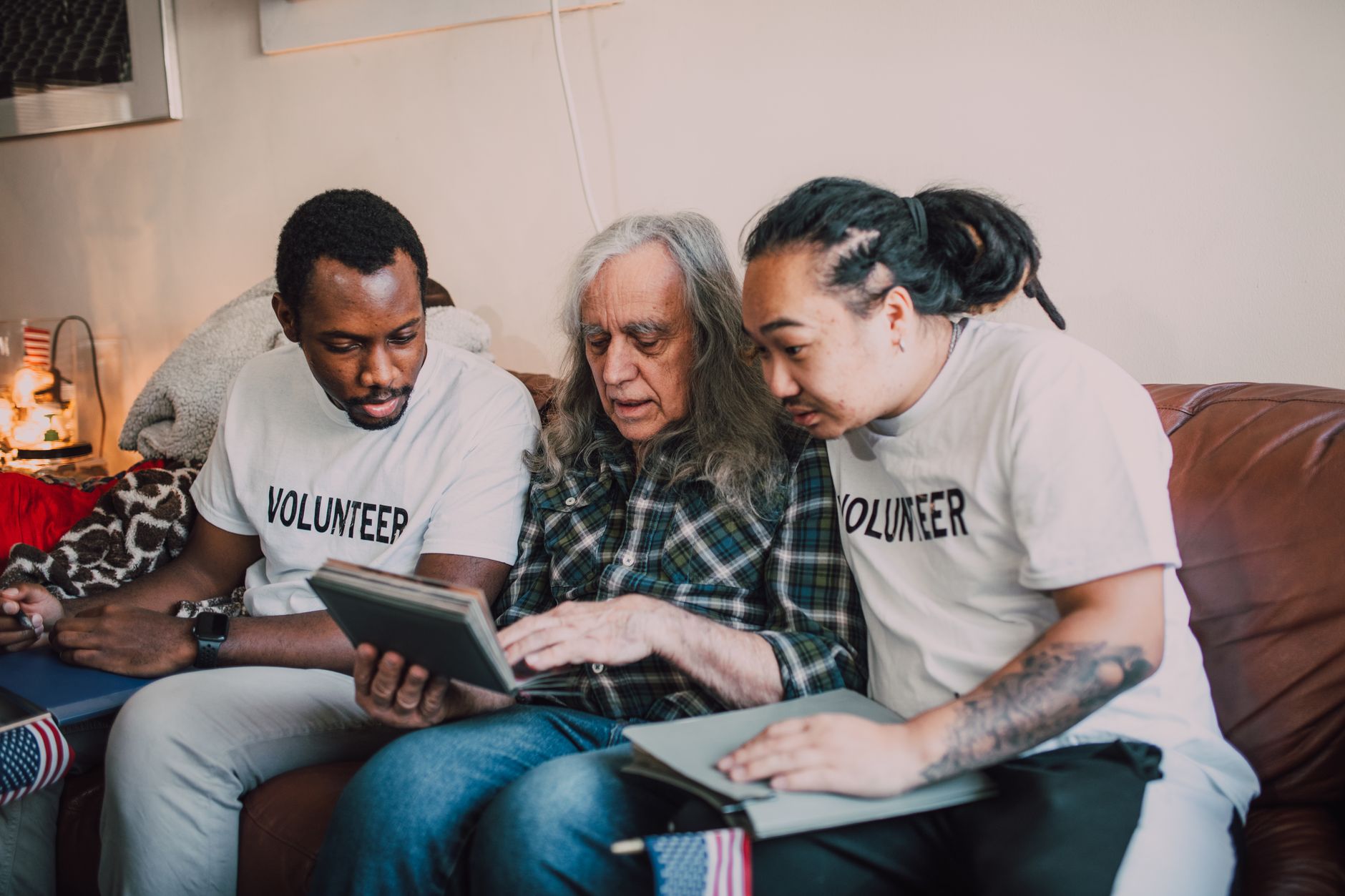
Write a two-page safeguarding policy, name a designated lead, and rehearse the escalation route before you need it. Volunteers must know they never handle bank cards, never accept gifts beyond nominal value, and always report a bruise, a cold house or a missed meal on the same day.
How Older People Reach a Scheme in the First Place
Self-referral is rare. Around seventy percent of names arrive from district nurses, social prescribers, housing officers and observant neighbours. Build a single-page referral form, hold it to eight fields, and answer every referral within three working days, because professionals stop sending them the moment replies go quiet.
Food aid is the most common first contact point. The UK food bank referral process runs through a voucher issued by a GP, school, Citizens Advice or health visitor, and that voucher conversation frequently surfaces an older person who has spoken to nobody at all in nine days.
The community fridge how it works question comes up constantly, and the answer is simple: supermarkets, bakeries and allotment growers deposit surplus food into a shared, monitored fridge that anyone may open, with no voucher and no means test. Fridges reach people who consider a food bank beneath their dignity.
Log every referral source for twelve months. Schemes that measure this almost always discover that two or three channels produce eighty percent of successful matches, which tells you exactly where the next hundred pounds of leaflet and poster budget should go.
Building the Wider Network Around Your Scheme
Befriending works best as one strand in a thicker local web rather than an isolated service. The volunteer who visits on Thursday can mention the lunch club on Friday, the seated exercise class on Monday, and the minibus that runs to the market town twice each week.
Physical projects attract people who dislike sitting and talking. Starting a community garden UK councils will licence land for costs perhaps £1,200 in raised beds, tools and a water supply, and it gives isolated older men in particular a concrete reason to leave the house each week.
Fundraising events double as recruitment drives. Anyone who has worked out how to run a village fete knows the gate takings matter far less than the ninety conversations held at the tea urn. A modest fete clears £800 to £2,500 and typically yields four or five new volunteers.
- Neighbourhood watch scheme how to start guidance, usually available from the local PCSO
- Parish council meeting rules UK residents follow when they want to speak at the open session
- How to become a school governor at the primary school two streets away
- Where the nearest warm space, lunch club and hearing aid clinic actually operate
- Which bus pass, attendance allowance and pension credit claims are going unclaimed locally
Print that list on a single laminated card and hand it to every volunteer at induction. Befrienders are trusted in a way that leaflets never are, and a two-minute answer at a kitchen table routinely unlocks benefits worth several thousand pounds a year.
How do I start befriending services for elderly UK residents in my own village?
Start by finding the need rather than announcing the service. Speak to the district nursing team, the social prescriber at your GP surgery and the sheltered housing manager, and ask how many people each would refer this month. If the answer is fewer than ten, a lunch club may serve the village better. If it is thirty, recruit six volunteers, write a one-page constitution, open a bank account, and accept referrals from a single trusted source for the first quarter. Small and slow beats a launch event with sixty names and no matching capacity. Most groups reach a steady twenty-five pairings within four to six months of their first meeting.
Is a befriending scheme expensive to run for a small volunteer group?
A telephone-only scheme run entirely by volunteers can operate on £800 to £1,500 a year, covering insurance, phone credit, printing and a modest social budget. The moment home visits are added, mileage becomes the largest variable cost, and the moment a paid part-time coordinator joins, the budget jumps past £12,000. Many groups run unpaid for two years, then discover that recruitment, rota management and safeguarding paperwork demand around fifteen hours a week from one accountable person. Budget for that transition early. Grant funders respond far more warmly to an application that already shows two years of delivery and a clear cost per matched pair.
What safeguarding rules apply to volunteers visiting older people at home?
Volunteers visiting an older person at home need an enhanced DBS check with the adult barred list, two references, and a short induction covering mental capacity, consent and financial abuse. Set firm boundaries in writing: no handling of bank cards or PINs, no keys held without a signed agreement, no personal care, and no lifts by car without business-use insurance cover. Name one designated safeguarding lead and one deputy, and give every volunteer both mobile numbers. Concerns go to the local authority adult safeguarding team the same day, and the volunteer records what they saw rather than what they concluded. Annual refresher training keeps the policy alive rather than filed.