
How Childhood Cancer Charities Strengthen Local UK Communities
Childhood cancer charities sit at the heart of community life across the United Kingdom, funding research, respite breaks and family support that the NHS alone cannot cover. Understanding how childhood cancer charities operate helps residents decide where a fundraising pound travels furthest and which local groups deserve their weekend energy. From Manchester to Margate, these organisations rely on grassroots events, coffee mornings, sponsored walks, school fairs and charity auctions, to raise the roughly 5000 pounds needed to fund a single specialist play worker for a month. Many families first discover a local charity during a hospital stay, then spend years repaying that kindness by volunteering, organising raffles or donating a slice of a small business takings. This guide explains the funding model, the fundraising formats that work, and the practical ways your street, workplace or pet-loving social circle can turn goodwill into measurable support for children living with cancer today.
What Childhood Cancer Charities Actually Fund
Behind every fundraising thermometer sits a specific bill. Childhood cancer charities typically split spending across research grants, family accommodation near treatment centres, psychological support and equipment that hospitals struggle to budget for. A single portable infusion pump can cost 1200 pounds, while a week of family lodging beside a Sheffield ward runs close to 400 pounds.
Research remains the largest line item for national bodies, absorbing 60 to 70 pence of every donated pound. Smaller regional groups often flip that ratio, directing most income toward immediate family needs such as travel cards, supermarket vouchers and heating grants that keep a household afloat during months of hospital appointments.
Transparency matters here. The best organisations publish annual accounts showing exact allocations, and the Charity Commission register lets anyone verify a group spending within minutes. Before committing a standing order, compare two or three charities figures so your contribution funds real outcomes rather than administration or glossy marketing brochures.
Research versus immediate family support
Deciding between research funding and hands-on support is personal. Research promises breakthroughs that may help thousands over decades, while family grants ease suffering this week. Many donors hedge by splitting monthly gifts, sending 10 pounds to a national research fund and 10 pounds to a local charity supporting families in their own postcode.
How Local UK Communities Raise the Money
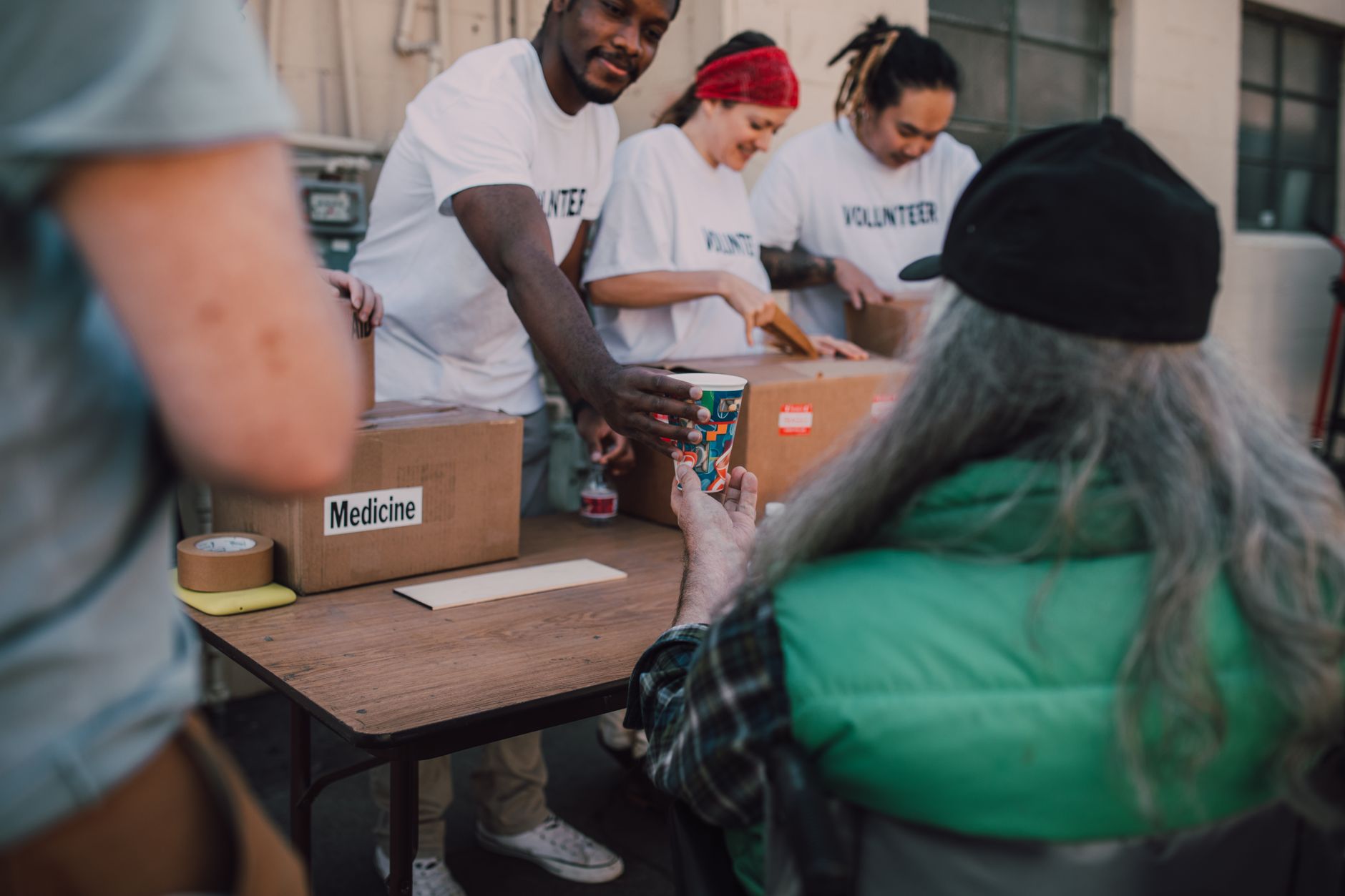
Grassroots fundraising powers most childhood cancer charities, and the formats are wonderfully varied. Sponsored silences in classrooms, 10k runs, village bake-offs and pub quiz nights each convert social time into cash. A well-run quiz with 60 attendees at 5 pounds a head, plus a raffle, comfortably clears 600 pounds in a single evening.
Animal-themed events pull especially strong crowds. Charity dog shows now feature classes like waggiest tail and best rescue, and families searching for an english bulldog puppy for sale near me or a puppy bulldog for sale near me often turn up simply to enjoy the spectacle and drop coins in the collection buckets.
Local breeders increasingly attach goodwill to their litters. Someone advertising a british bulldog puppy for sale near me or an american bulldog puppy for sale near me may pledge a percentage of each sale to a children ward, turning a private transaction into a public good and building a warmer reputation among neighbours.
Why pet-friendly events outperform
Dogs draw families, and families bring wallets. A charity fun day featuring a mini bulldog puppy for sale stall beside a tombola will out-earn a straightforward jumble sale most weekends, because visitors linger longer, buy more refreshments and share photographs online that quietly advertise the cause for free.
Turning Everyday Passions Into Donations
Any hobby can become a fundraiser. Bakers sell brownies, cyclists chase sponsorship, and pet enthusiasts run pledge schemes. A breeder listing a french bulldog puppy for sale might donate 50 pounds per puppy, while a buyer comparing a puppy french bulldog for sale against another litter might round up their payment to add a small charitable tip.
Even browsing behaviour helps. Families comparing a puppy for sale french bulldog listing, or weighing a french bulldog puppy for sale uk advert against a puppy french bulldog for sale uk one, sometimes discover a breeder charity partnership and choose them specifically. Ethical sourcing and generosity increasingly travel together in the same purchase decision.
Premium purchases can fund meaningful sums. With the average french bulldog puppy price uk sitting between 1500 and 3000 pounds, and a blue french bulldog puppy for sale sometimes fetching more, a modest 3 percent pledge quietly channels 45 to 90 pounds toward childhood cancer charities from each rehomed puppy without straining anyone budget.
Choosing a Reputable Childhood Cancer Charity
Not every collection tin is legitimate. Registered charities carry a number you can check against the Charity Commission for England and Wales, OSCR in Scotland, or the CCNI in Northern Ireland. A quick search reveals income, trustee names and the proportion spent directly on charitable activities rather than overheads.
| Check | Where to look | What it confirms | Time needed |
|---|---|---|---|
| Charity number | Charity Commission register | Legal registration | 2 minutes |
| Spending split | Annual accounts | Where money goes | 10 minutes |
| Trustee names | Public register | Governance quality | 5 minutes |
| Local reviews | Community feedback | Real-world impact | 15 minutes |
Watch for pressure tactics. Genuine fundraisers rarely demand instant cash, always provide clear identification, and never discourage you from researching first. If a street collector cannot name the charity number or explain where the money goes, keep your wallet closed and report the encounter to Action Fraud without hesitation.
Local reputation offers another safeguard. Charities embedded in a community leave a visible trail of named beneficiaries, thank-you letters in the parish newsletter, and volunteers you recognise. That accountability, built face to face over years, often outperforms the anonymity of a large national brand you only ever meet through television advertising.
Measuring the Impact of Your Support
Impact deserves the same scrutiny as spending. Reputable groups publish outcome reports translating money into concrete figures such as nights of family accommodation provided, counselling hours delivered, or research papers published. A 250 pound community fundraiser might equate to five overnight stays for a family living far from treatment.
Regular giving compounds nicely. A 15 pound monthly standing order becomes 180 pounds a year, and Gift Aid adds 25 percent at no cost to a UK taxpayer, lifting that to 225 pounds. Across a 40-person workplace scheme, the same habit generates 9000 pounds annually, enough to sponsor a specialist nurse salary contribution.
Feedback loops keep motivation high. Ask your chosen charity for updates, invite a family ambassador to speak at your next event, and share verified numbers with donors. People give again when they see proof, so measurable reporting is not bureaucracy, it is the engine that sustains long-term community generosity.
How do childhood cancer charities spend my donation?
Most childhood cancer charities divide donations between research, family support and running costs. National organisations often direct 60 to 70 percent toward research into kinder, more effective treatments, while smaller regional groups spend the majority on immediate needs such as accommodation, travel and counselling. Administration typically consumes 10 to 20 percent, covering staff, fundraising and compliance obligations. You can verify any registered charity exact split through its published annual accounts and the Charity Commission register in a few minutes. If a group refuses to share these figures, treat that reluctance as a genuine warning and choose a more transparent alternative instead.
Is a local charity better than a national childhood cancer charity?
Neither is automatically superior; they simply serve different goals. National childhood cancer charities fund large-scale research and clinical trials that individual communities could never finance alone, potentially helping thousands of children over decades. Local charities, by contrast, deliver fast, tangible help such as a supermarket voucher, a warm bed near hospital, or a listening ear at 2am. Many thoughtful donors split their giving, sending part to research and part to a group supporting families in their own region. The right balance depends on whether you value long-term breakthroughs, immediate comfort, or, most commonly, a deliberate blend of both approaches.
What community events raise the most money for these charities?
Events that combine entertainment, food and a clear cause consistently raise the most for childhood cancer charities. Pub quizzes, charity dog shows, sponsored runs and summer fun days routinely clear several hundred pounds each, while gala dinners and auctions can reach five figures when local businesses donate prizes. Pet-friendly gatherings perform particularly well because they draw whole families who linger, spend on refreshments and share photographs online for free. The strongest results come from repeat annual events that build tradition, sponsorship relationships and a mailing list, allowing a single afternoon effort to grow steadily larger and more profitable every single year.