
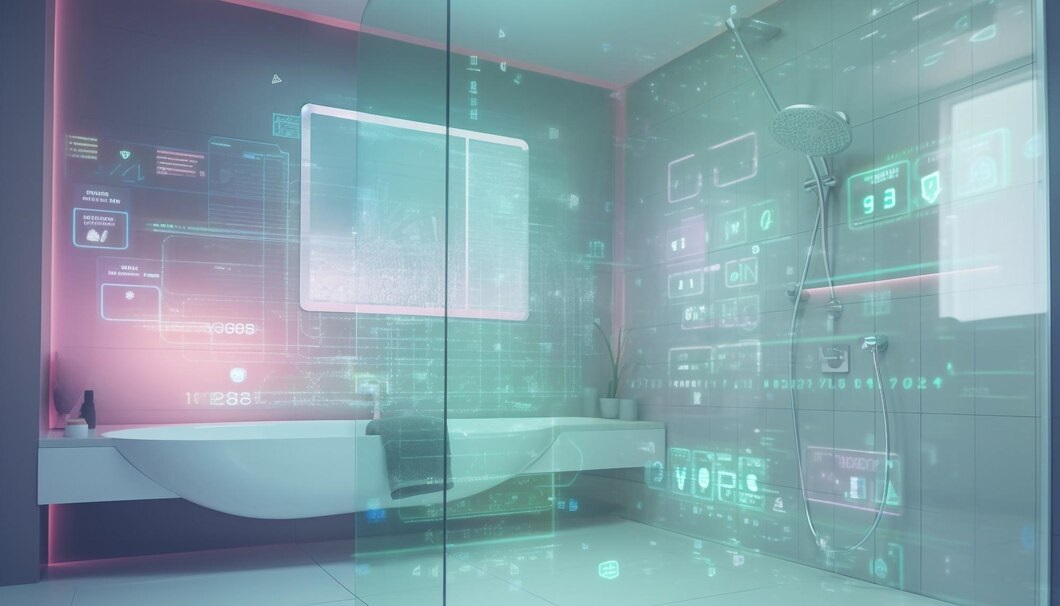
Toilets haven’t changed much in over a century — until now. Thanks to advances in sensors, data analytics, and health tech, a new generation of smart toilets is quietly transforming the most private room in the house. These high-tech fixtures do more than flush — they analyze your health, track biomarkers, monitor hydration, and even detect early signs of illness. In an era of preventive care and home diagnostics, the smart toilet may become one of the most important tools in your wellness routine.
The science behind the seat
Equipped with sensors, cameras, and diagnostic modules, smart toilets can collect and interpret data from urine and stool with impressive precision. These devices use a mix of spectrometry, flow analysis, and image recognition to detect indicators of dehydration, infections, kidney issues, and even markers linked to diabetes or gastrointestinal diseases. Some models also monitor blood pressure through seat sensors, analyze hormone levels, and provide real-time health reports through connected apps — all while maintaining privacy and hygiene standards.
A new frontier in preventive medicine
Early detection is critical in treating most health conditions. Smart toilets offer a unique opportunity to catch subtle changes that traditional checkups might miss. For individuals managing chronic illnesses — such as kidney disease, IBS, or diabetes — these toilets provide continuous, effortless monitoring. Instead of relying on occasional lab tests, users gain daily insights into their health, empowering them to adjust diet, hydration, or medication in real time. As healthcare shifts toward personalization and prevention, smart bathroom tech fits naturally into the future of home diagnostics.
Challenges and future potential
Despite their potential, smart toilets face challenges around cost, privacy, and user comfort. Many people are still uneasy with the idea of sharing bathroom data — even with themselves. Manufacturers are addressing these concerns with encrypted storage, anonymous tracking, and opt-in features. Meanwhile, researchers are working on models that require no user interaction at all, automatically analyzing waste and transmitting insights to healthcare providers. Within a few years, it’s likely that smart toilets will be as common — and essential — as smartwatches or home assistants.